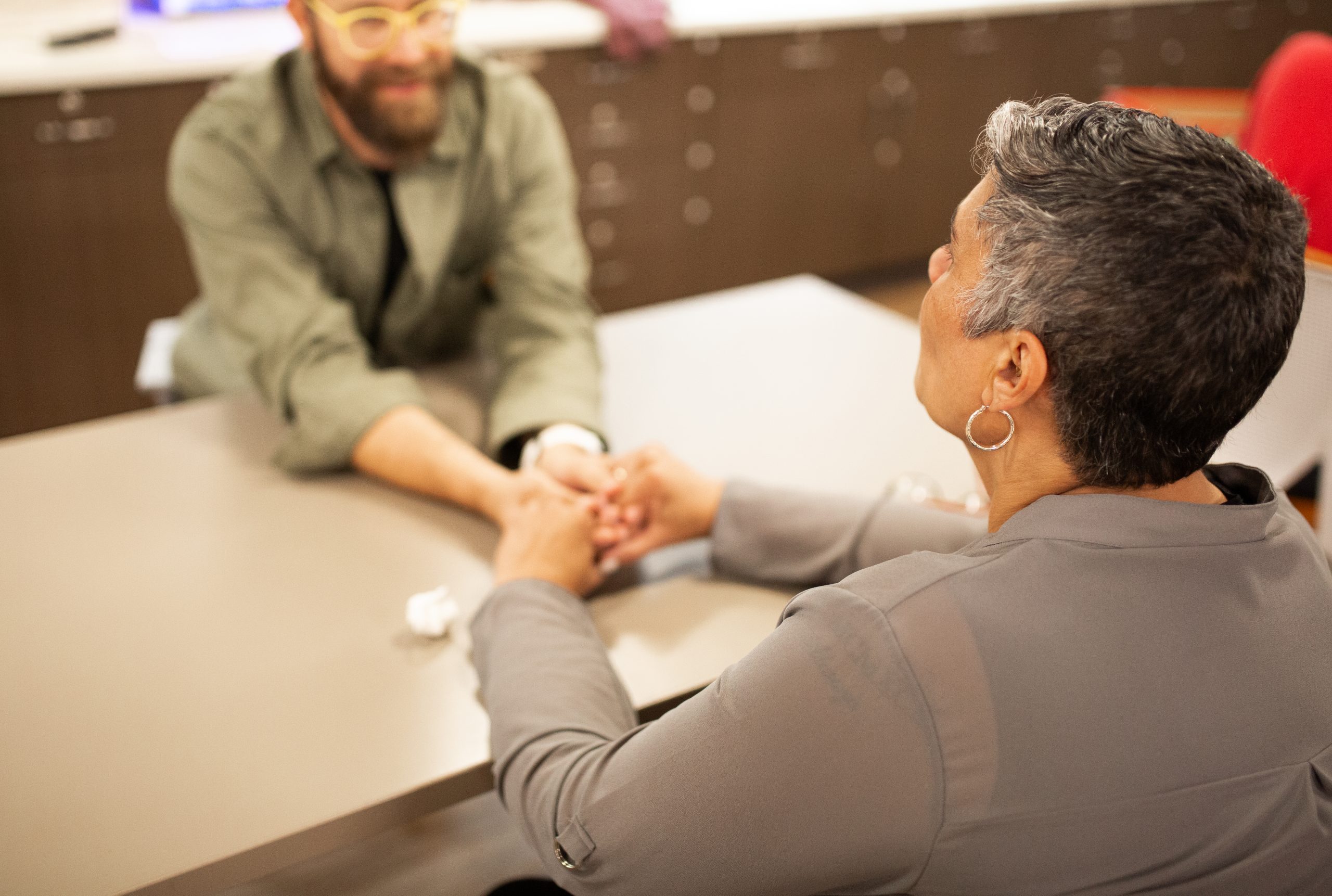
We make documentary-style films for nonprofits, foundations and 501(c)(3)s — the kind of story that moves donors to give, volunteers to show up and boards to say yes. Not a promo video. A story people actually finish.
Streaming on Roku · Apple TV · Samsung TV · Amazon Fire
Nonprofit video storytelling fails when it argues. It works when it lets someone be seen. Three things change when the camera follows a person instead of a programme.
Donors give to people, not to programmes. One person’s story, told honestly, does more in a room at a gala than a decade of annual reports — and it keeps working long after the event.
The people you want are choosing between you and an employer who pays more. A film that shows what the work actually feels like is the only honest answer to that.
Boards, funders and legislators sit through a lot of slide decks. A documentary gets watched to the end, and gets forwarded — which is how a cause reaches people who weren’t already looking for it.
Four formats, one shoot. Most projects use more than one.
One person, one story, cut for your site, your gala and your socials. The workhorse format for fundraising video production and donor campaigns.
Multi-episode series built around a cause or a region — the format behind People Worth Caring About, and the one that earns press and streaming distribution.
Purpose-built cutdowns for a capital campaign, a giving day or a grant report, produced from the same shoot so the cost per asset drops.
A film nobody sees is an expensive keepsake. We build the launch: press outreach, paid social, landing pages and the sponsor story that funds the next one.
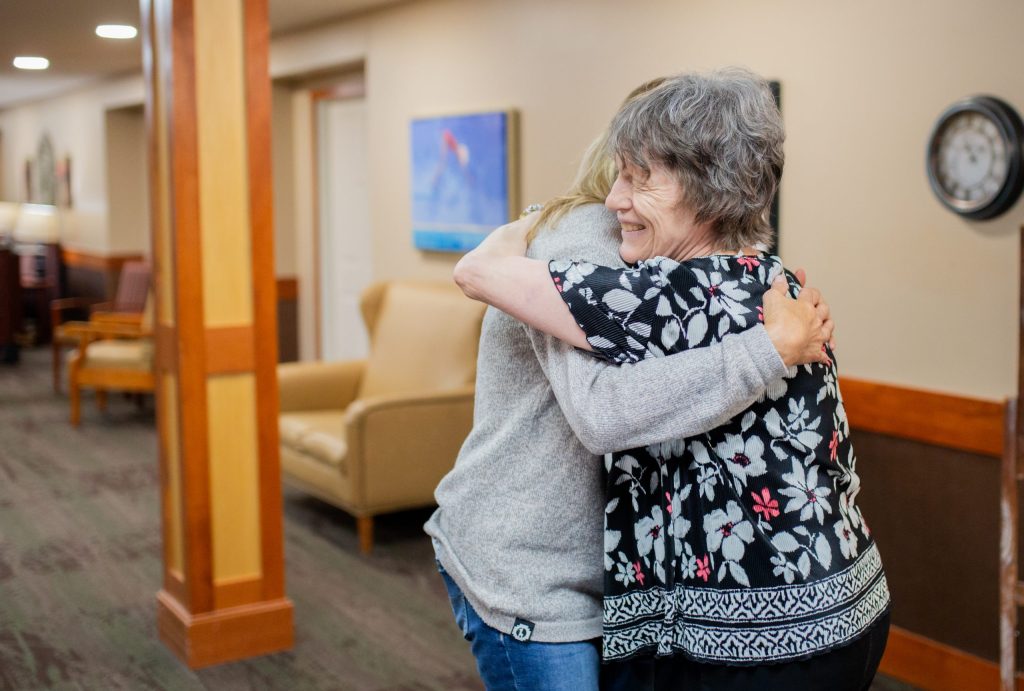
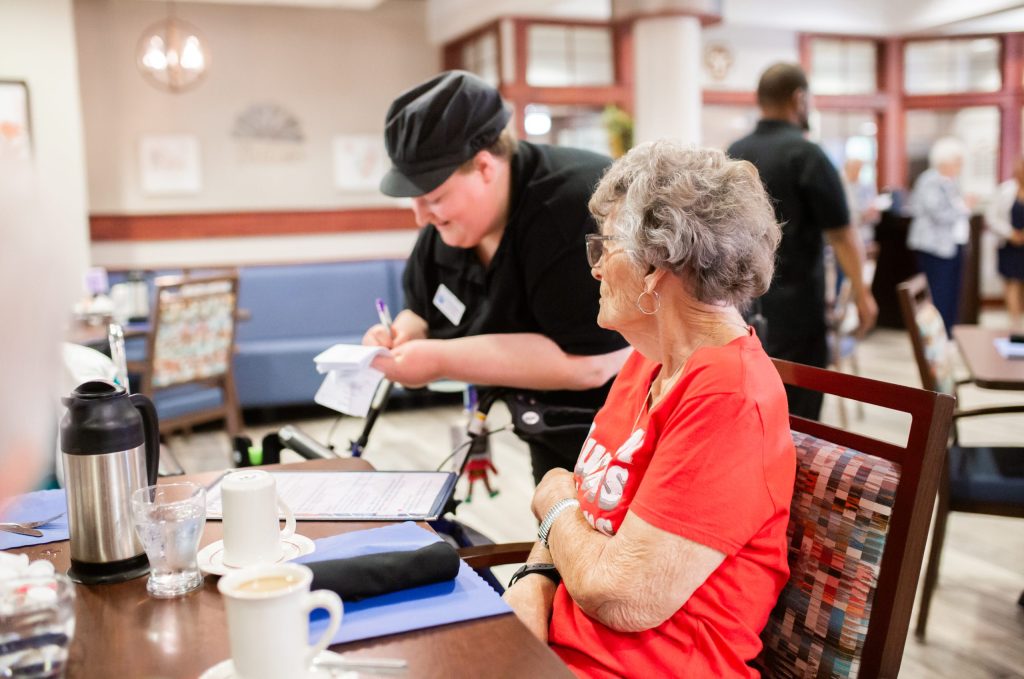
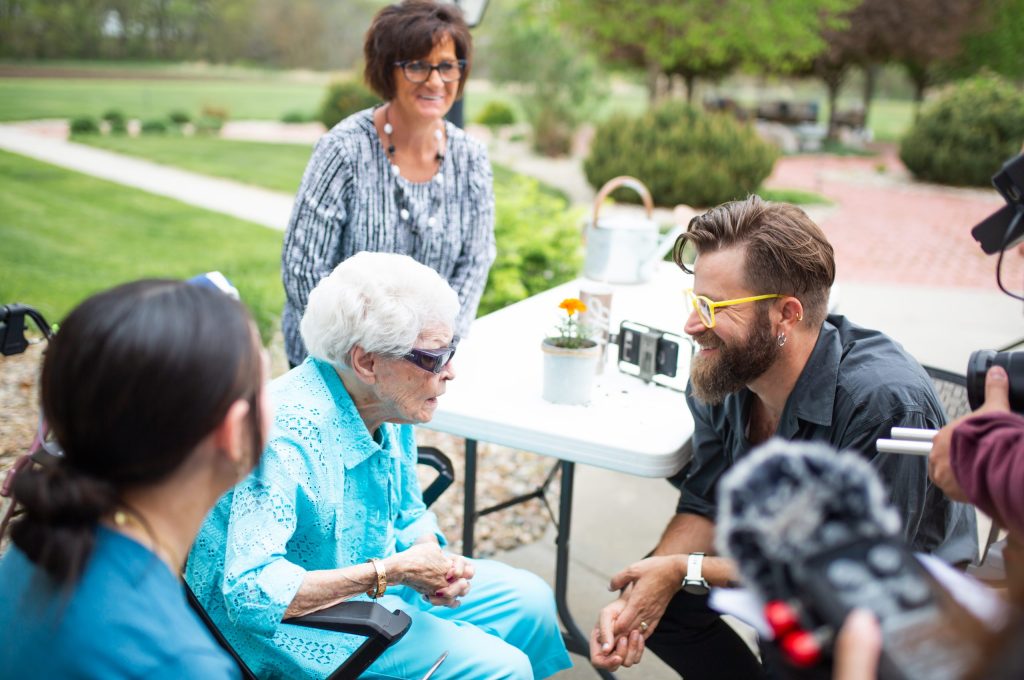
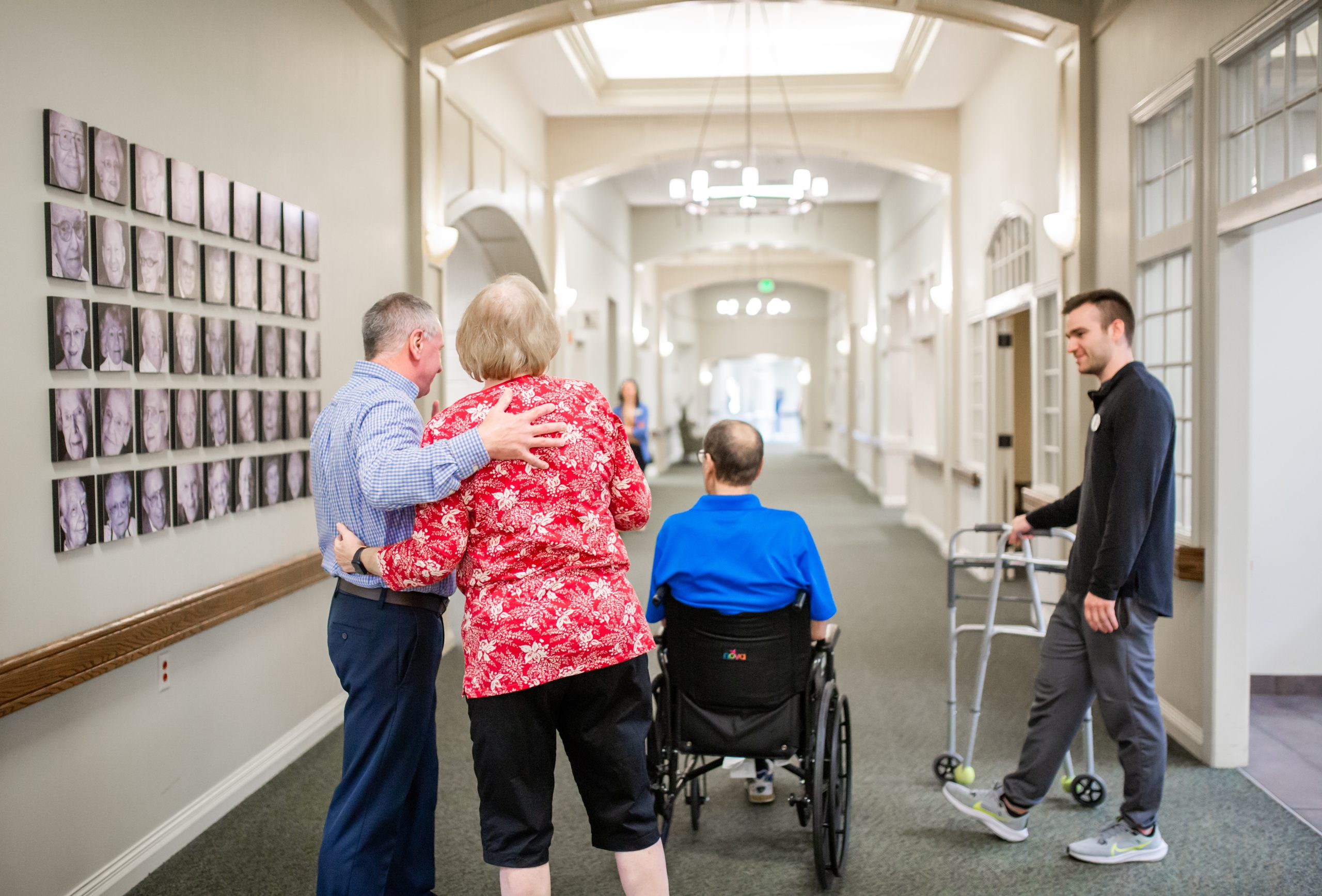
The Nebraska Health Care Association commissioned People Worth Caring About — seven films, one per long-term care community, following the caregivers nobody profiles. It reached 32.1 million people and now streams on Roku, Apple TV, Samsung TV and Amazon Fire. It’s the clearest example we have of social impact video production doing a job a campaign could not.
People Worth Caring About
Wakefield Health Care Center
Stone Hearth Estates
Mission-driven organisations with a real story and a reason to tell it now. If your work is hard to explain in a brochure, that’s usually the sign it should be on film.
Five stages, built around your operation rather than ours.
We talk to your people before we point a camera at anyone. The story is almost never the one in the strategic plan.
We size the project to what you actually have, and where it helps, structure it so a sponsor or grant can underwrite part of it.
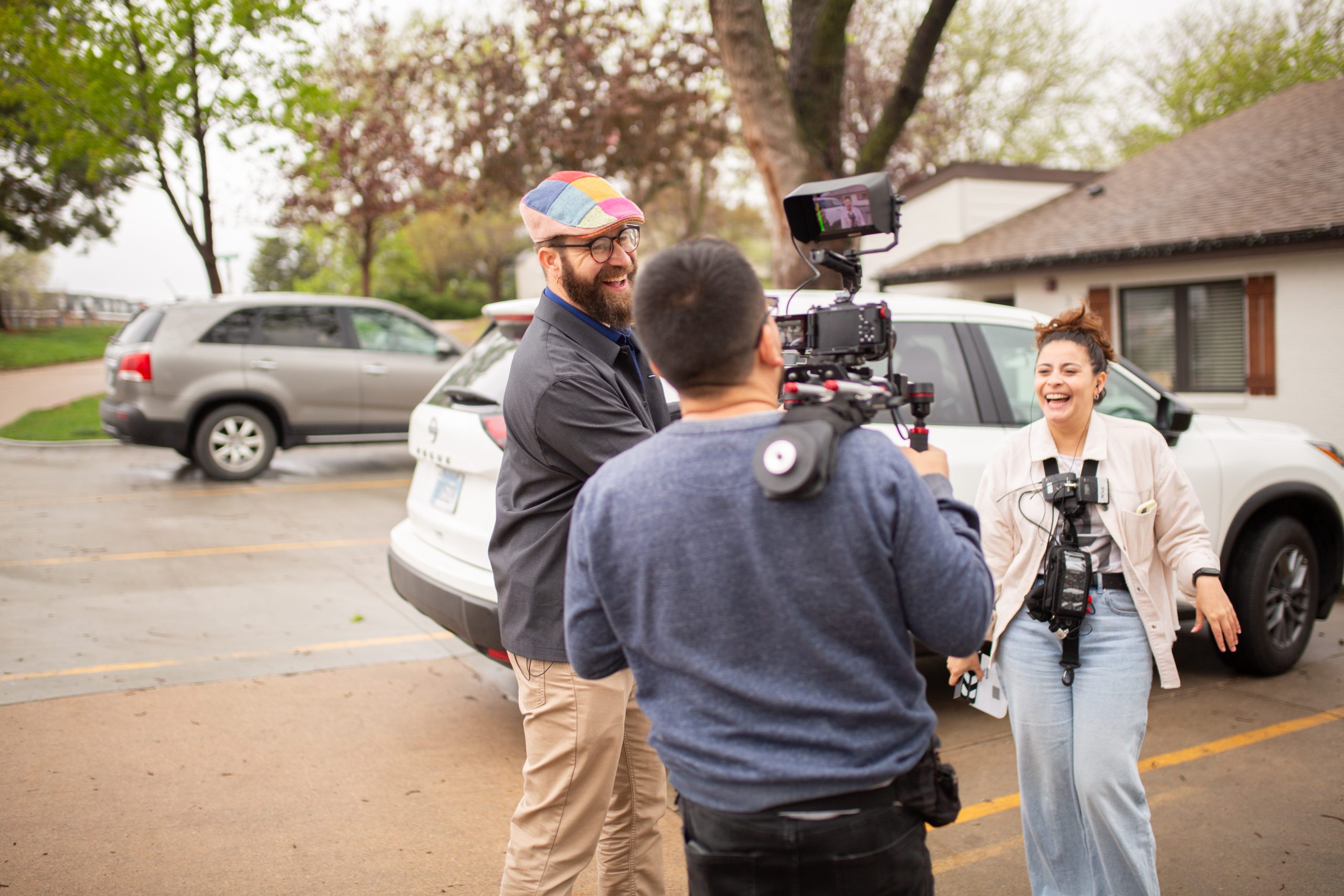
A small crew, a few days, minimal disruption to care or service delivery. We work around your operation.
You see a cut before anyone else does. Approvals are built into the schedule, including consent and compliance review.
Press, paid social, your site, your events, and the cutdowns that keep it working for the next two years.
It depends far more on scope than on length. A single branded story with one shoot day sits at the accessible end; a multi-episode docuseries with travel, archival research and a press launch sits well above it. We scope to your budget rather than quoting a rate card, and we’ll tell you early if what you want and what you have aren’t the same thing. Ask for a range on your specific project and you’ll get one.
A promo video argues for you. A documentary lets someone be seen and trusts the viewer to draw the conclusion. That difference is why one gets skipped and the other gets watched to the end and forwarded — and it’s the whole reason this format outperforms for causes. Before you commit to a shoot, read is your nonprofit ready to be filmed?
Four to seven minutes is the sweet spot for a branded story that has to work on a website, at an event and in a donor meeting. We almost always cut 30 to 60 second versions from the same footage for social and paid, because the extra edit costs little next to the shoot.
Yes, and often that’s the cleanest way to fund it. Sponsorship underwrote the long-term care series, and grant-funded storytelling is common in the sector. We can structure a project so a sponsor or funder covers a defined part of it, and help you write the story of the project a funder needs to see.
A single branded story typically runs six to ten weeks from first conversation to launch. A docuseries runs on a season timeline — months, not weeks — because filming has to fit around real operations and real people.
No. Long-term care is where the largest body of our work sits, which is why it’s the proof on this page, but the method travels. We work with foundations, associations, advocacy organisations, youth services and workforce programmes on the same basis.
Tell us what your organisation does and who it does it for. If there’s a film in it, we’ll tell you what it would take. If there isn’t, we’ll tell you that too.