
At a glance
The challenge
High PPC click-through rates but few qualified leads, a leaky funnel from podcast traffic, and sales time spent on unaccredited investors.
What we did
IP exclusions, budget shifts, retargeting, rebuilt lead scoring, personalised video outreach and a sharper value proposition.
The result
A 70% higher response rate from high-net-worth prospects, more meetings booked and a new family-office segment.
Introduction
In the high-stakes world of B2B, precision in marketing and sales efforts is not just advantageous—it is essential. A pioneering micro Private Equity (PE) firm faced a series of challenges that hindered any accelerated growth.
Despite high engagement with some of their potential clients, they faced low conversion rates, inefficient lead qualification, and misalignments in their Ideal Customer Profile (ICP). This is where Strategic Pete came in to collaborate with the marketing and sales team at the micro PE firm.
The collaboration aimed to address key issues:
- Analyzing Lead Quality: High click-through rates on PPC campaigns were not translating into qualified leads.
- Identifying Conversion Funnel Leaks: Website traffic from podcast appearances wasn’t converting due to unoptimized landing pages.
- Optimizing Lead Qualification: The firm was attracting non-accredited investors, not their target accredited investors, family offices, and high-net-worth individuals.
- Enhancing Outreach Strategies: Traditional outreach methods weren’t resonating with C-suite executives.
- Realigning ICP Targeting: Engagement data suggested potential in untapped market segments.
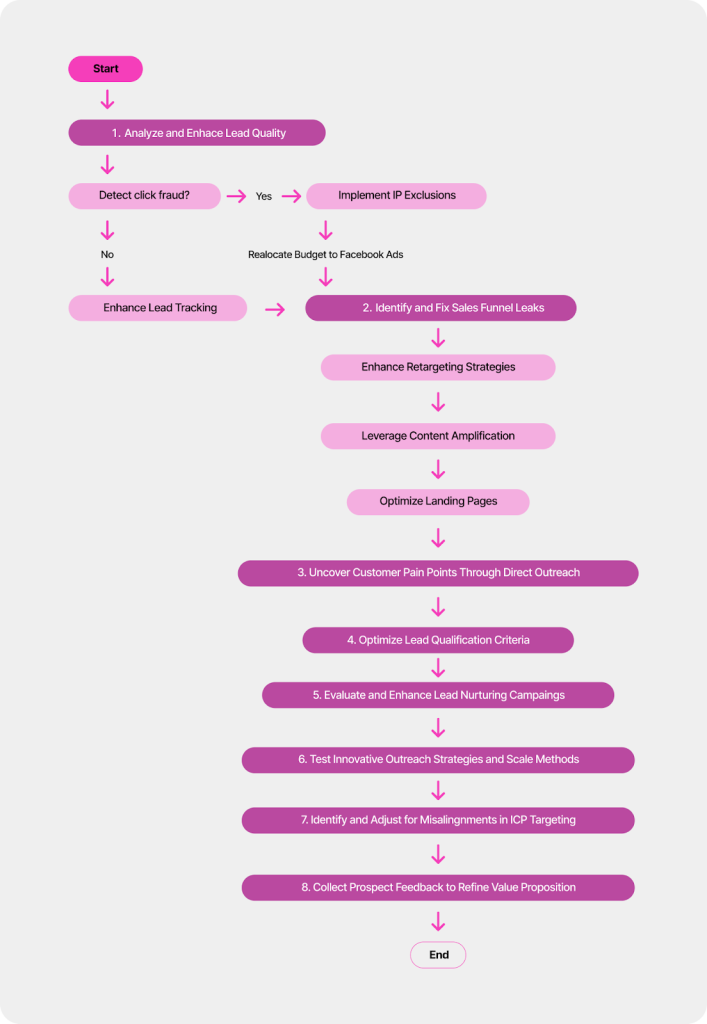
This case study will begin by delving deep into the individual challenges before examining some of the actions Strategic Pete took to resolve the issues and stimulate accelerated growth.
Existing Challenges
A. Navigating Inefficient PPC Campaigns
Despite significant investments in Google Ads, the private equity firm was experiencing a puzzling disconnect: high Click-Through Rates (CTR) but unusually low conversion of those clicks into qualified leads. The marketing team couldn’t understand why their substantial ad spend wasn’t yielding the expected ROI.
Upon a deeper analysis using HubSpot’s analytics and Google Analytics, we at Strategic Pete discovered a disturbing pattern. A significant portion of the ad clicks originated from suspicious IPs with spammy investor information (fake email and phone numbers). This suggested potential click fraud, with a competitor likely deliberately clicking on their ads to deplete their budget and skew performance metrics.
B. Leaks in the Conversion Funnel
The firm generated considerable traffic to its website through its executives’ appearances on industry podcasts. However, this surge in visitors wasn’t translating into leads or conversions. Using funnel analytics and heatmapping tools like Hotjar, we identified that the landing pages linked to these podcasts were not optimized for conversion. They lacked compelling calls to action (CTAs) and didn’t guide the visitor toward the next step.
C. Misaligned Lead Qualification and Targeting
The sales team faced the challenge of sifting through a high volume of unqualified leads. Many inquiries came from unaccredited investors, whereas the firm’s Ideal Customer Profile (ICP) targeted only accredited investors—this was due to regulations surrounding alternative assets, which is what the micro PE firm dealt with.
This mismatch meant that sales representatives were spending valuable time on prospects unlikely to convert, stretching resources thin and elongating the sales cycle.
The influx of unqualified leads and misaligned targeting meant that sales representatives were overburdened and unable to focus on high-potential prospects. This inefficiency not only strained the team but also hindered the firm’s ability to close deals effectively.
D. Ineffective Lead Nurturing Campaigns
Their email marketing efforts were falling short. While open rates were acceptable, click-through rates (CTR) on emails were low, especially among leads acquired from LinkedIn Ads campaigns. The content didn’t seem to resonate with private equity professionals, failing to address their specific challenges or interests.
E. Outdated Outreach Strategies
Traditional outreach methods, such as cold emails and standard LinkedIn messages, were not yielding the desired response rates for such a high-ticket investment. The significant commitment required meant that the generic nature of these communications failed to engage potential investors, who expect personalized and compelling interactions before considering substantial financial involvement.
F. Misunderstood Value Proposition
There was a significant gap in how prospects perceived the firm’s platform. Many viewed it as just another investment platform, not recognizing it as an alternative investment platform that was innovating a new alternative asset class, making it a unique and different player in the financial space.
Furthermore, this opportunity was only open to accredited investors. This misunderstanding led to friction in the sales process and missed opportunities.
G. Ineffective Tracking
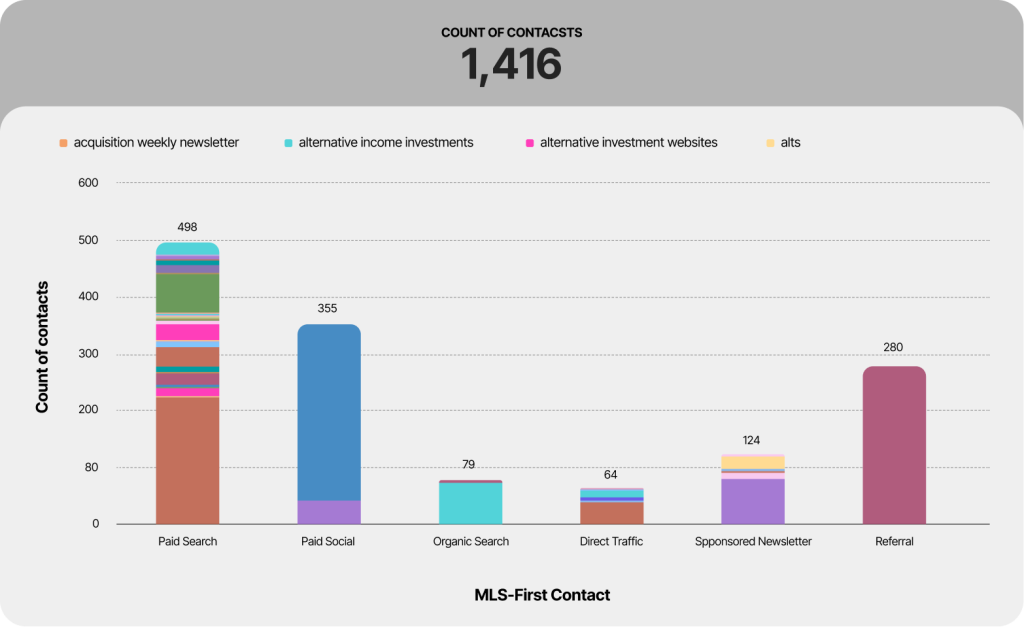
Initially, sales and marketing teams depended on potential clients to tell them how they discovered the company and its services However, many couldn’t recall or provided inaccurate information, making it difficult to pinpoint effective outreach channels.
SDR Actions and Results
Faced with a myriad of challenges hindering growth, the micro PE firm collaborated closely with Strategic Pete to implement a series of strategic actions. These initiatives were data-driven, targeted, and designed to address each specific obstacle head-on.
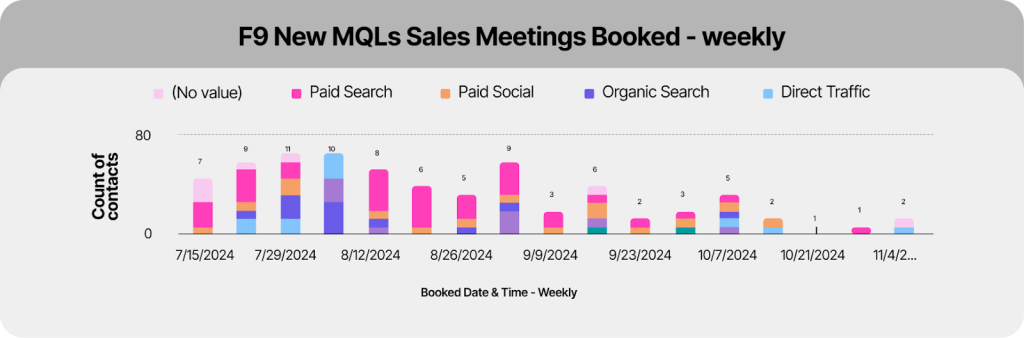
1. Analyzing and Enhancing Lead Quality from PPC Campaigns
Implementing IP Exclusions to Prevent Click Fraud
Using HubSpot’s analytics and Google Analytics, Strategic Pete‘s team identified that a significant portion of PPC clicks originated from suspicious IP ranges, indicating potential click fraud. To combat this:
- Action Taken:
- Utilized a tool called ClickFraud to automatically filter out fraudulent leads.
- Added the suspicious IP ranges to the Google Ads IP exclusion list, effectively blocking spam accounts from draining the ad budget.
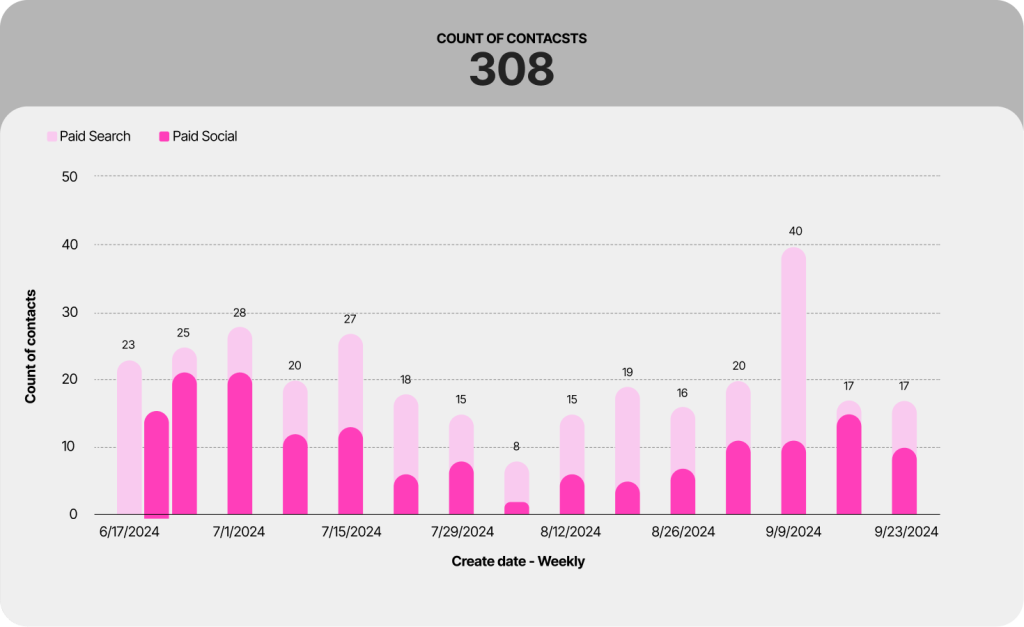
- Adjusted Google Ads targeting settings to focus solely on the United States and paused the “Presence or Interest” option. (Google Ads’ targeting configuration can include not only people physically in the target area but also those interested in it, which can attract traffic from outside the country.)
- Result: This move immediately reduced irrelevant clicks, ensuring the ad spend was allocated to genuine prospects within the United States.
Shifting Budget to More Effective Channels
Recognizing that Facebook Ads were yielding better engagement, the team decided to reallocate resources:
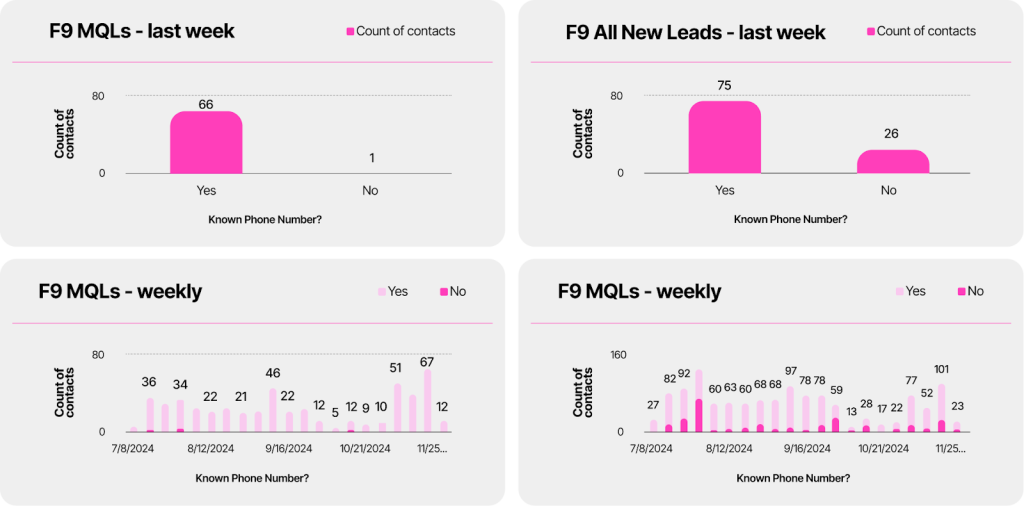
- Action Taken: A bigger portion of the PPC budget was shifted to Facebook Ads, targeting lookalike audiences based on high-value clients. This was achieved by integrating Facebook Pixel data with HubSpot to create accurate audience profiles.
- Result: The firm reached a more relevant audience, leading to higher engagement and conversion rates for accelerated growth.
Enhancing Lead Tracking and Monitoring
To ensure precise measurement of campaign performance:
- Action Taken: The team set up UTM parameters and advanced conversion tracking in both Google Ads and Facebook Ads. This allowed for granular monitoring of lead sources and quality. Furthermore, HubSpot played a crucial role as a CRM, gathering all the data in one place for easy analysis.
- Result: With better tracking, the firm could make data-driven decisions to optimize campaigns continuously.
2. Identifying and Fixing Conversion Funnel Leaks
Enhancing Retargeting Strategies
To capitalize on the traffic from podcast appearances:
- Action Taken: Increased investment in retargeting campaigns aimed specifically at podcast listeners. Custom audiences were created in LinkedIn Ads and Facebook Ads using website visitor data from HubSpot.
- Result: This personalized approach kept the brand top-of-mind for warm leads, encouraging them to re-engage.
Leveraging QuuuPromote for Content Amplification
To expand the reach of their content:
- Action Taken: Utilized QuuuPromote to distribute podcast content across social platforms, increasing visibility and engagement.
- Result: Social shares and engagement metrics soared, providing valuable social proof.

Optimizing Landing Pages for Conversion
Addressing the shortcomings of landing pages:
- Action Taken: Collaborated with the firm’s marketing team to redesign landing pages with clearer messaging and stronger calls-to-action (CTAs). A/B testing was conducted using HubSpot to determine the most effective layouts and messaging.
- Result: Improved user experience led to higher conversion rates from website visitors.
3. Uncovering Customer Pain Points Through Direct Outreach
Personalized Outreach via LinkedIn
To gain deeper insights into prospect challenges:
- Action Taken: SDRs leveraged LinkedIn Sales Navigator to personalize InMail messages and connection requests to key investors. While we didn’t rely heavily on proactive LinkedIn outreach, we focused on prospecting inbound leads—who typically had a strong LinkedIn presence—to assess the market quality and tailor our subsequent email outreach. For example, upon identifying a SaaS founder on LinkedIn, we sent targeted SaaS case studies and materials that aligned with their interests.
- Result: Initiated meaningful conversations that revealed specific pain points, such as inefficient returns from their investment and too-long hold times with some investment firms.
4. Optimizing Lead Qualification Criteria
Refining Lead Scoring Models in HubSpot
To focus on high-potential leads:
- Action Taken: Adjusted the lead scoring model in HubSpot to deprioritize unaccredited leads
- Result: The sales team could concentrate on prospects that matched the ICP, improving efficiency.
Updating PPC Campaign Targeting
To align ad spend with the ICP:
- Action Taken: Updated PPC campaign settings to exclude segments outside the target market, ensuring ads were shown only to qualified prospects.
- Result: Reduced the influx of unqualified leads and increased the conversion rate of qualified leads.
5. Evaluating and Enhancing Lead Nurturing Campaigns
Redesigning Emails, Case Studies & Podcasts for Better Resonance
To improve engagement with email campaigns:
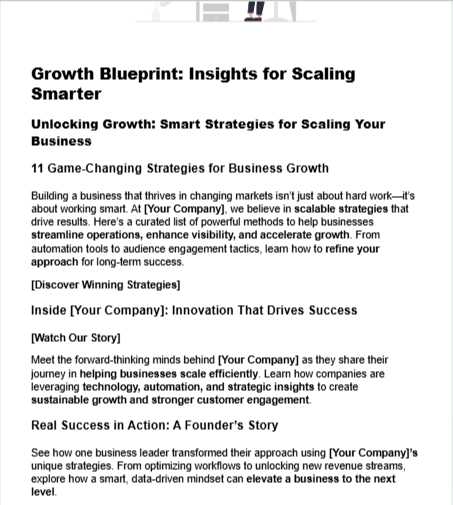
- Action Taken: Collaborated with marketing to redesign email templates, incorporating industry-specific challenges and insights gathered from prospect interactions. Also, case studies and podcast pages were created, FAQs were added to landing pages, and social proof was added where necessary.
- Result: Emails became more relevant to recipients, increasing engagement, and landing pages had higher click-through rates.
Incorporating Interactive Elements
To boost interaction:
- Action Taken: Added interactive components such as polls and links to exclusive webinars on Demio.com.
- Result: Enhanced engagement and provided additional data on prospect interests.
6. Testing and Recommending Innovative Outreach Strategies
Experimenting with Personalized Video Messages
To stand out to high-net-worth individuals:
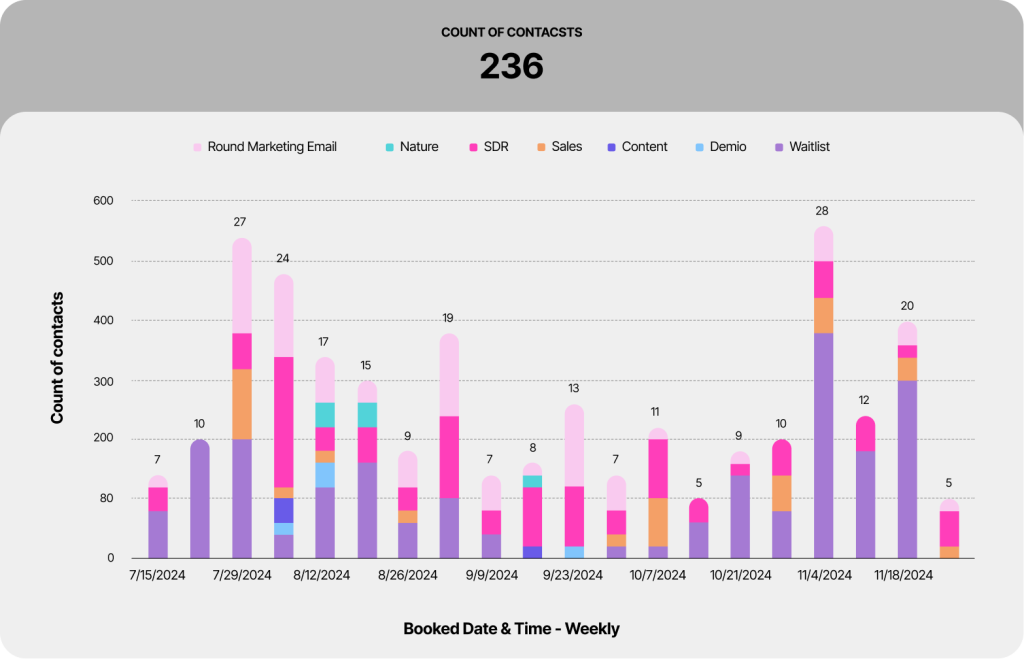
- Action Taken: SDRs used Vidyard, integrated with LinkedIn, to send personalized video messages instead of traditional emails.
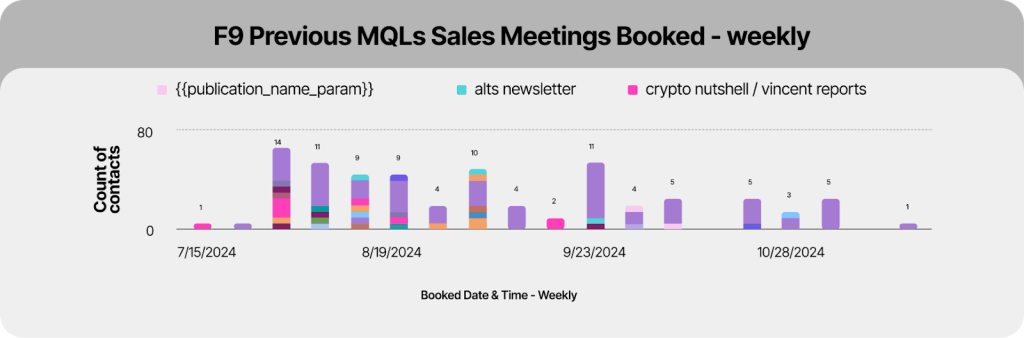
- Result: Achieved a 70% higher response rate among high-net-worth individuals.
Scaling Successful Methods Across the Team
To maximize impact:
- Action Taken: Developed branded video templates and scripts and trained the entire SDR team to adopt this method.
- Result: Significant increase in meetings booked and improved relationships with key prospects.
7. Identifying and Adjusting for Misalignments in ICP Targeting
Analyzing Engagement Data to Uncover Opportunities
To identify high-potential segments:
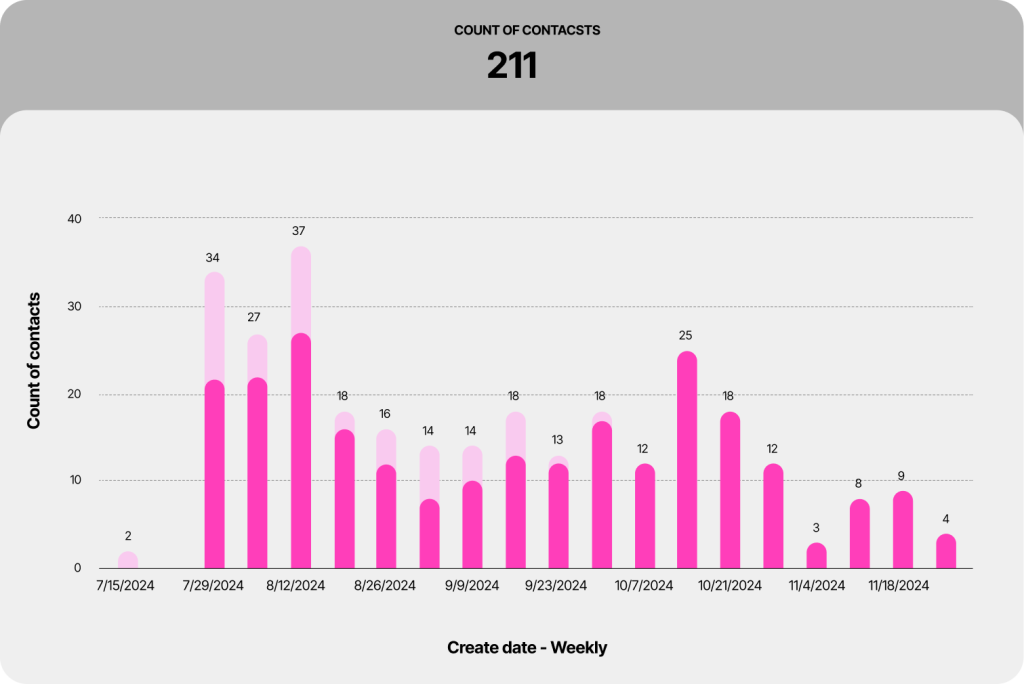
- Action Taken: Reviewed HubSpot data and noticed increased engagement from family offices and individuals looking to invest via SDIRAs.
- Result: Recognized an untapped market segment with strong interest.
Adjusting ICP and Marketing Efforts
To capitalize on new opportunities:
- Action Taken: Expanded the ICP to include family offices and SDIRAs. Updated LinkedIn Ads targeting criteria and developed sector-specific content like whitepapers and webinars on Demio.com.
- Result: Successfully engaged a new segment, leading to increased leads and conversions.
8. Collecting Prospect Feedback to Refine Value Proposition
Analyzing Sales Calls for Insights
To understand misconceptions:
- Action Taken: We used HubSpot to record and analyze sales calls, identifying where prospects misunderstood the platform’s capabilities. Based on these misconceptions or FAQs, we developed resources that we repurposed for nurture and the website.
- Result: Pinpointed areas where messaging needed clarification.
Reworking Messaging Across Channels
To clarify the value proposition:
- Action Taken: Updated website content, email templates, and LinkedIn Sponsored Content to emphasize the platform’s unique features.
- Result: Improved clarity led to better-informed prospects entering the sales funnel.
Hosting Focused Product Demo Webinars
To showcase differentiators:
- Action Taken: Created a new product demo webinar on Demio.com highlighting the platform’s unique benefits.
- Result: Educated prospects, reduced misconceptions, and increased conversion rates.
Conducting A/B Testing for Optimization
To identify the most effective messaging:
- Action Taken: Implemented A/B testing for subject lines and email copy using HubSpot’s tools.
- Result: Optimized emails led to higher open and click-through rates.
Conclusion
The collaboration between the micro private equity firm and Strategic Pete marked a significant turning point in the firm’s marketing and sales efficacy. By addressing the core challenges with tailored, data-driven strategies, the firm not only experienced immediate improvements but also established a foundation for ongoing success.
Through the help of Strategic Pete, the firm was able to:
- Make Informed Decisions: Real-time data allowed for strategic budget reallocations and targeting adjustments that maximized ROI.
- Optimize Continuously: Regular monitoring and testing facilitated ongoing improvements in campaigns and outreach methods.
- Identify and Address Hidden Issues: Data analytics uncovered problems like click fraud and misaligned targeting that were not immediately apparent.
The strategic actions implemented had far-reaching effects beyond immediate metrics:
- Enhanced Efficiency: By focusing on qualified leads and effective outreach methods, the firm’s sales cycle was shortened significantly.
- Improved Team Alignment: Cross-functional collaboration between the SDRs, marketing, and sales teams led to a more cohesive and effective approach.
- Strengthened Market Position: Clearer messaging and a better understanding of customer pain points enhanced the firm’s brand perception in the market.
An essential lesson from this collaboration is the pivotal role of integrating marketing expertise directly into the SDR process. Including a marketing professional within the SDR team facilitated faster and more effective feedback loops between outreach efforts and marketing strategies.
This close collaboration ensured that insights gained from direct prospect interactions were immediately applied to refine messaging, adjust targeting, and enhance overall campaign effectiveness.