
At a glance
The challenge
An EHR vendor with under 2% market share was losing money on trade-show booths that produced almost no leads.
What we did
Launched the LTC Heroes podcast, recorded it live at trade shows in exchange for free booth space, and amplified every episode.
The result
A 100X increase in lead generation, 15 sales-qualified leads a week and a stronger position ahead of the company’s sale.
Introduction
Long-term success in B2B marketing requires more than traditional tactics; it demands a creative, resourceful, and deeply strategic approach.
This case study showcases how Peter Murphy Lewis—Fractional CMO and founder of Strategic Pete —leveraged podcasts and trade shows to revive a SaaS company in the long-term care industry, transforming it from a forgotten name to a recognized thought leader with a 100X increase in lead generation.
The Challenge
The client was a SaaS company in the long-term care space that provided Electronic Health Record (EHR) software to various senior living facilities. Once a market leader, by the time Peter joined as Marketing Director, it had almost completely slipped into obscurity. Furthermore, this SaaS company faced several challenges, such as:
A. Trade Show Woes
Despite significant time, effort, and money spent on trade show booths, the company’s past experiences had been frustratingly unproductive. Tradeshows, which should have been fertile ground for lead generation, had produced no viable sales opportunities, and leadership began to question the value of these events entirely. It was clear that a traditional trade show setup was not the answer for this niche SaaS business.
B. Brand Perception
The company had once been a leader in its field but had since fallen out of the spotlight, holding less than 2% of the market share. By the time Peter joined as Marketing Director, the brand was nearly forgotten by the industry, facing stiff competition and the challenge of re-establishing credibility and trust. This was particularly critical in the long-term care industry, where high change costs and client risk aversion made brand trust essential to conversion.
C. Industry Hurdles
Adding to these challenges was the nature of the industry itself. Long-term care organizations are often risk-averse, with steep change costs that can reach hundreds of thousands of dollars. In this environment, trust, reputation, and thought leadership are crucial to opening the door to sales. To make a lasting impact, the company needed not only to capture attention but to become a trusted source of value and expertise within the industry.
The challenge was clear: develop a fresh approach to trade shows that would yield measurable lead generation results, elevate the brand to an industry thought leader, and establish a lasting, trust-based reputation. Peter needed a strategy that would meet these goals while remaining cost-effective, achievable, and impactful in a highly competitive field.
Strategy Development
Facing the challenges of low brand visibility and ineffective trade show results, Peter Murphy Lewis and the CEO of the SaaS company recognized that a bold new strategy was essential. Rather than continuing with the same costly, low-impact methods, they devised an innovative approach that would position the company as a thought leader and generate high-quality leads consistently:
Step I: Re-evaluation of Trade Shows
Acknowledging the previous failures at trade shows, Peter and the CEO opted to attend industry events as visitors rather than exhibitors, aiming to observe and analyze what successful companies were doing.
Through these initial visits, they recognized an untapped opportunity: no one in the industry was leveraging live content creation, particularly in the form of a podcast. They envisioned a setup where the company could create engaging, informative content directly from trade show floors, capturing real-time insights and establishing connections without the hefty booth fees.
Step II: Launching an Industry Podcast
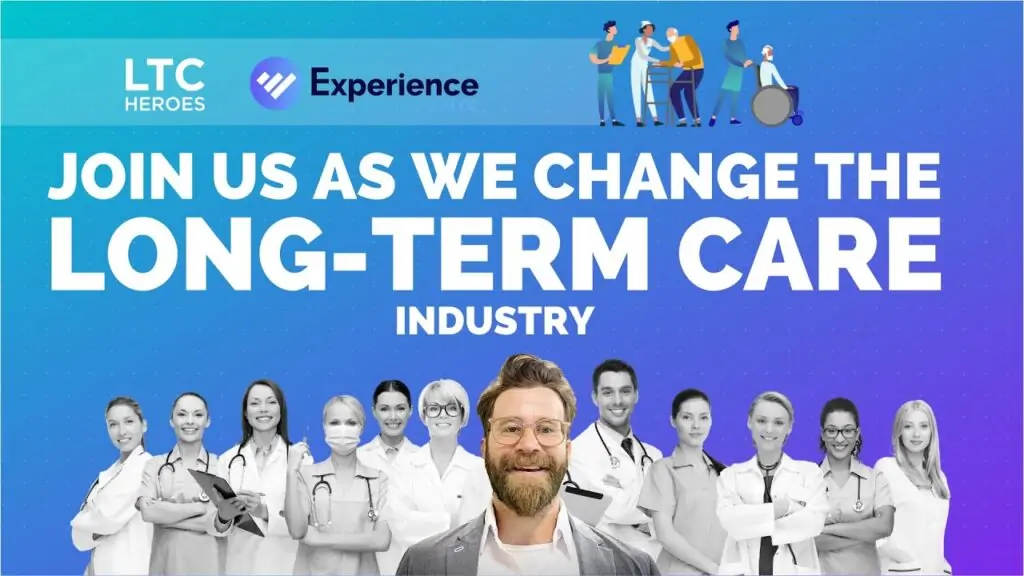
From this idea, LTC Heroes was born—a podcast focused on sharing authentic stories, insights, and expertise from leaders across the long-term care industry. By positioning the podcast as an independent thought leadership platform, they could build credibility and establish the company as an industry resource. The podcast wasn’t just an audio series; it was a tool for engagement, education, and, ultimately, lead generation.
- Building Credibility Through Personality: Peter, a charismatic entrepreneur with a media presence, became the host of LTC Heroes. His engaging personality made him the ideal frontman, and his outsider perspective allowed him to ask thought-provoking questions without being limited by industry biases.
- Content Allies Partnership: To streamline production and distribution, the team partnered with Content Allies, a podcast agency, for outreach, booking, and post-production. This collaboration enabled rapid scaling of episodes and a consistent release schedule, ensuring LTC Heroes maintained high-quality, professional output.
It is worth noting that the LTC Heroes podcast was designed to be an industry resource rather than a direct marketing tool. This “independent” branding allowed it to gain credibility quickly, attracting a wide audience without the overt appearance of sales intentions.
Step III: Integrating the Podcast with Trade Shows
With the podcast gaining traction, Peter saw the opportunity to merge this new content channel with the company’s trade show strategy. How?
- Live Podcast Booths at Trade Shows: The LTC Heroes podcast was brought to life at industry events, where the team set up a live podcast booth to conduct interviews with industry leaders and attendees. This setup created buzz, attracted foot traffic, and positioned the company as a thought leader, offering real-time insights.
- Securing Free Booths: By offering to provide live coverage of events and interview speakers and sponsors, the team negotiated free booth space and even travel expenses for key team members. This approach allowed the company to attend more shows, dramatically cutting trade show costs while enhancing visibility.
- Strategic Proximity to Sales: To convert the interest generated by the podcast into actionable leads, the sales team’s booth was placed next to the podcast booth. After engaging with the podcast, interested attendees were seamlessly directed to the sales team, creating a warm handoff that led to meaningful conversations and qualified leads.
Step IV: Multi-pronged Content and Distribution Strategy
The final piece of the strategy was an aggressive content amplification plan to maximize the reach and impact of each podcast episode and trade show interaction. This approach would allow the team to generate high-value leads, position the company as a thought leader, and steadily grow brand recognition.
- High-Volume Content Output: To drive visibility, the team produced multiple podcast episodes per week, including special segments that highlighted everyday heroes in long-term care. The increased quantity helped the podcast gain quick traction and establish industry rank.
- SEO-Driven Distribution: Each interviewee was encouraged to link back to the podcast from their blogs and websites, providing valuable backlinks that boosted SEO rankings. Additionally, the marketing team created long-form articles summarizing key podcast episodes, further enhancing search visibility and driving organic traffic.
- Social Media and Email Promotion: The podcast episodes were shared across multiple channels, including user group meetings, newsletters, and outbound emails. By promoting episodes directly to users and encouraging internal team members to share episodes with their networks, the team maximized reach within the industry.
- Lead Magnets and PPC Ads: High-performing podcast content was repurposed as gated lead magnets and used in paid advertising campaigns. By capturing email addresses in exchange for valuable content, the team converted listeners and readers into marketing-qualified leads.
- Outbound Emails for Targeted Outreach: The team sent outbound emails featuring highlights from popular episodes to targeted prospects, leveraging the quality and relevance of the content to draw in new leads.
A key element of the podcast’s success was its strictly educational focus. The team avoided any direct selling on the podcast itself, allowing LTC Heroes to build trust and credibility without pushing products. This independence reassured both event organizers and listeners, establishing a long-term reputation for valuable, unbiased content.
Key Results
The combination of the LTC Heroes podcast, innovative trade show strategy, and comprehensive content distribution plan produced transformative results for the SaaS company. By executing this unique approach, Peter Murphy Lewis and the team were able to achieve substantial gains in lead generation, cost efficiency, and brand authority. Here are the key outcomes from this initiative:
1. Surge in Lead Generation
- From Zero to Hundreds of Leads Weekly: Prior to this initiative, trade shows produced minimal to no leads. Through the live podcast and adjacent sales booth setup, the company generated up to 15 sales-qualified leads per week at events and hundreds of marketing-qualified leads through the podcast content.
- Consistent Lead Flow: The multi-channel content distribution and promotion efforts sustained a steady flow of leads, further fueled by the high-frequency release of podcast episodes.
2. Significant Cost Savings
- Trade Show Cost Reduction: The podcast’s popularity allowed the team to negotiate free booth space at most trade shows. By securing these spaces and receiving coverage for travel and lodging, the company saved tens of thousands of dollars annually on trade show expenses.
- Efficient Content Production: Working with Content Allies allowed the company to scale the podcast production without overburdening internal resources, optimizing both costs and output quality.
3. Industry Thought Leadership and Brand Credibility
- Establishing Authority: The podcast positioned the company as an industry thought leader, attracting widespread attention from listeners and event organizers alike. Over time, LTC Heroes became a trusted source of insights, making the company a go-to authority within the long-term care space.
- Keynote Invitations: As the company’s reputation grew, Peter and the team were frequently invited to deliver keynote addresses, further solidifying their authority and reinforcing the company’s commitment to addressing critical industry issues.
4. Increased Market Value and Successful Acquisition
- Boosted Brand Reputation: The initiative helped turn around the company’s reputation from an afterthought to a top player in the industry, ultimately making the business more attractive to potential buyers.
- Higher Sale Price: By significantly enhancing the company’s industry presence and credibility, the initiative contributed to a successful acquisition by a major industry player, allowing the original team to exit on favorable terms.
5. Long-Term Content Legacy
- Ongoing Lead Generation: Even after the company’s sale, the podcast content continued to drive leads, adding ongoing value for the new owners. The library of high-quality episodes became a lasting asset, drawing in new listeners and leads well beyond Peter’s and the CEO’s tenure.
- Sustained Industry Impact: The podcast became a valuable industry resource, continuing to educate and inform the long-term care space with insights and interviews that were still relevant and accessible.

Conclusion: Key Lessons & Takeaways
The success of this initiative provided invaluable insights into effective B2B marketing and lead generation in a niche industry. Peter Murphy Lewis’s approach to revitalizing a SaaS company in the long-term care space demonstrates how a well-crafted content strategy, when paired with strategic trade show integration, can produce exponential growth and industry authority.
Here are the key lessons and takeaways for those interested in implementing a similar strategy:
A. Align Content with Industry Needs
- Understand the Audience’s Pain Points: By identifying critical issues like staffing shortages in long-term care, Peter and the team were able to address real challenges through content. This alignment not only attracted an engaged audience but also reinforced the company’s credibility as a resource committed to solving industry problems.
- Focus on Education, Not Sales: Establishing LTC Heroes as a non-sales platform built trust and encouraged genuine engagement. In industries where trust and reputation are paramount, an educational focus can be far more effective than direct sales pitches.
B. Use Trade Shows as a Platform for Engagement, Not Just Booths
- Transform Trade Shows into Content Opportunities: By turning trade shows into live podcasting events, Peter demonstrated that these events can be used to create meaningful content that generates leads and establishes authority. This shift in approach turned a traditional marketing expense into a high-ROI activity.
- Negotiate for Visibility: The strategy of negotiating free booth space and coverage of travel costs allowed the team to participate in more trade shows at a lower cost. Trade shows became not just a marketing channel, but a cost-efficient platform for reaching a broader audience.
C. Amplify Content Through a Multi-Channel Distribution Strategy
- Leverage SEO and Backlinks: Encouraging interviewees to link back to the podcast and publishing articles summarizing episodes helped increase the podcast’s visibility and search engine rankings. This multi-pronged approach ensured that each episode reached the maximum number of potential listeners.
- Engage Audiences Across Channels: Distributing podcast episodes through social media, newsletters, user groups, and outbound emails helped keep the audience engaged and increased the impact of each episode. By diversifying distribution channels, the team maximized reach and engagement.
D. Build Thought Leadership Before Direct Selling
- Position as an Industry Authority First: Establishing LTC Heroes as an educational resource positioned the company as a thought leader. By focusing on adding value to the industry, the team built a reputation that translated into trust, authority, and an eventual increase in sales.
- Avoid Over-Selling: Maintaining a strict separation between the podcast and direct sales allowed the podcast to retain its credibility and prevented audiences from feeling pressured. This approach proved that indirect influence can be a powerful driver of lead generation.
E. Leverage Existing Resources and Partnerships
- Maximize Impact with Strategic Partnerships: Collaborating with Content Allies for podcast production and distribution enabled the team to scale quickly and cost-effectively. This partnership allowed the team to focus on quality content creation without being bogged down by logistics.
- Gradually Transition In-House for Greater Control: As the podcast gained traction, taking some functions in-house helped reduce costs and increase control over content. This incremental approach is effective for teams looking to scale content efforts without overwhelming internal resources.
F. Establish a Sustainable, Long-Term Impact
- Create Content That Endures: The podcast’s legacy continued to drive value even after the company’s sale, demonstrating that high-quality content can be a lasting asset. By investing in content that speaks to timeless industry challenges, Peter and the team built an enduring resource for the long-term care industry.
- Build a Scalable Model: The approach developed through LTC Heroes—combining thought leadership with strategic lead generation—provides a replicable model for other industries where authority and trust are essential. This case study highlights how Strategic Pete’s methods can be adapted for other clients looking to establish a lasting industry presence.