
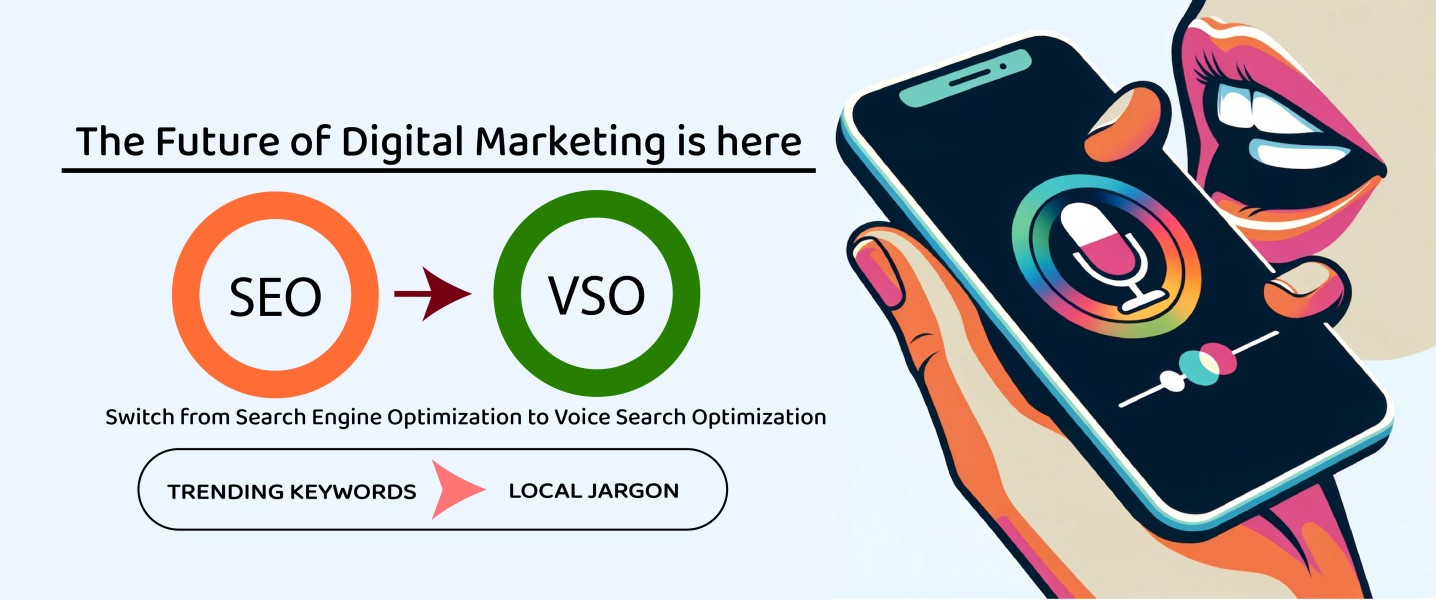
The future of digital marketing is no longer a far-off dream. It’s here, and it’s spoken, not typed.
Voice search and audio marketing are rewriting the rules of consumer engagement, with a booming adoption of smart speakers, conversational AI, and voice-activated search behavior.
CEOs, marketers, and businesses need to recognize this trend now, not just to stay competitive but to lead in a world where over 33% of searches are already voice-based
Voice Search Adoption: A Global Phenomenon
Voice search is no longer a novelty; it’s a critical channel shaping how consumers interact with technology and brands. Today, 41% of U.S. adults use voice search daily, and the trend is on a steep incline. Globally, 20.5% of people now use voice search, with this figure expected to surge as more voice assistants integrate seamlessly into everyday life.

By 2025, 75% of U.S. households will own a smart speaker, amplifying the potential of voice search as a gateway to retail, local business discovery, and personalized experiences.
Why Voice Search is Critical for Local Businesses
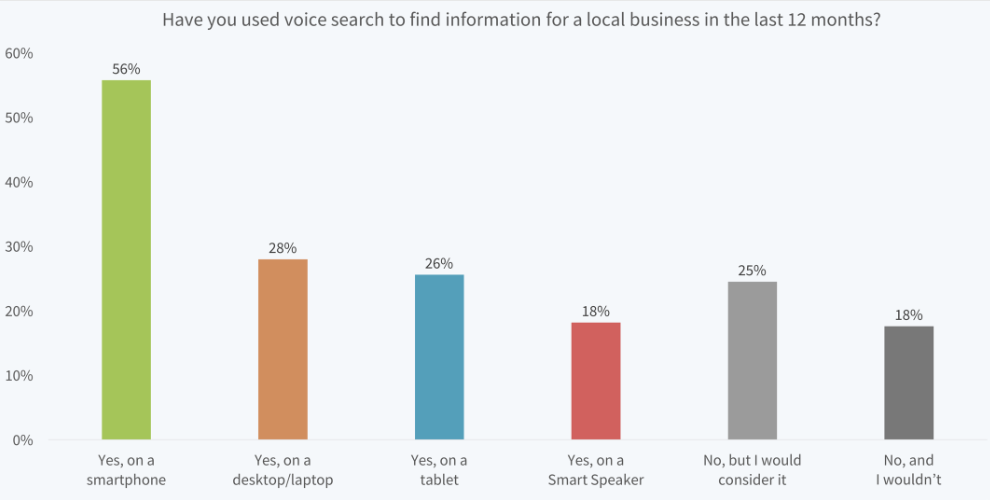
Voice search is reshaping local commerce. A staggering 56% of consumers have used voice search to find local business information in the past year. For restaurants, cafes, and retail stores, this means optimizing for local voice search is no longer optional. 46% of voice users conduct local searches daily, and 33% have called a business directly via their smart speaker.
Smart speakers play a pivotal role here, with 76% of users performing local searches weekly. If your business isn’t optimized for voice, you risk missing out on a growing demographic of consumers who demand instant, hands-free answers.
Retail Revolution: Voice Search in E-Commerce
Voice commerce is revolutionizing how we shop. 54% of U.S. retail searches are now conducted via voice, and 40% of consumers use voice assistants to make purchases every month.
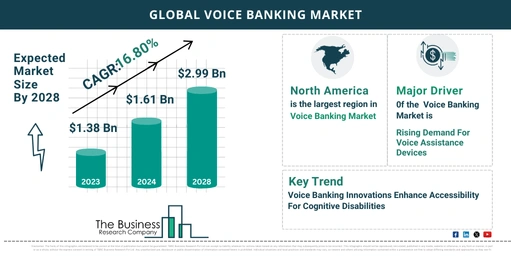
For brands, this means adapting to a world where consumers rely on voice to order groceries, electronics, and even health and beauty products. By 2028, the voice commerce market is projected to reach $326 billion, with voice assistants becoming indispensable tools for seamless shopping experiences.
The SEO Shift: Ranking for Voice Search
Voice search isn’t just changing how consumers search—it’s redefining SEO. Over 80% of voice search results come from the top three search engine results, and pages that rank for voice queries load 52% faster than average.
Content matters too; voice search favors in-depth answers, with the average ranking page featuring 2,312 words. Businesses must prioritize speed, HTTPS security, and long-form content to stay visible in the world of voice SEO.

Generative AI and Voice Search: The Perfect Partnership
Generative AI is revolutionizing conversational AI, and brands are taking notice. 50% of U.S. consumers have already used or are aware of tools like ChatGPT, and voice assistants like Siri, Alexa, and Google Assistant are rapidly integrating AI-driven personalization. Imagine a world where your voice assistant understands your mood, makes product recommendations, and even books appointments—all based on predictive analytics.

Brands that leverage this technology can create hyper-personalized experiences, turning casual interactions into loyal customer relationships.
The Consumer Perspective: Why Voice is Winning
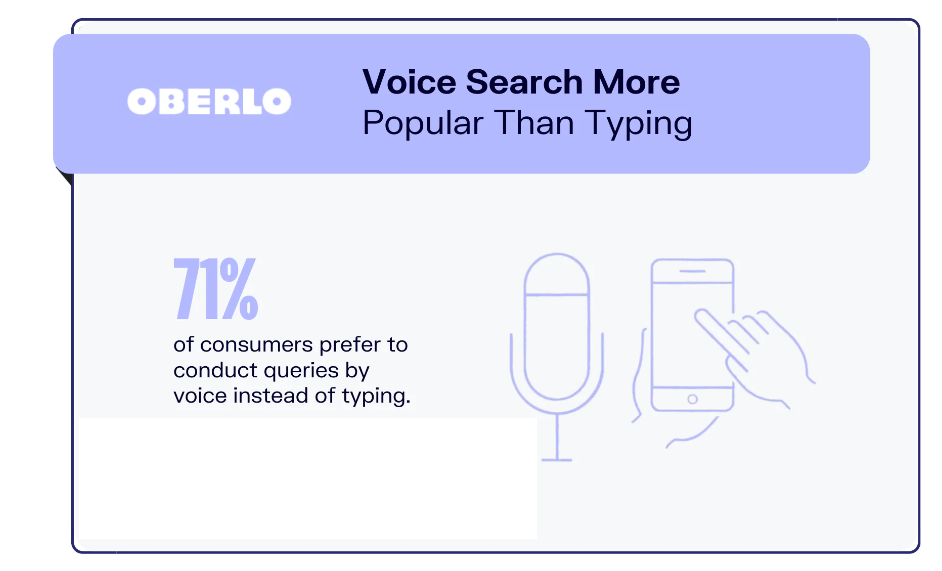
Voice search has one undeniable advantage—it’s faster and more convenient. 71% of consumers prefer voice over typing on mobile devices, and it’s now the second most popular search method after traditional web searches.
With 38.8 million U.S. consumers already using smart speakers for shopping, the writing on the wall is clear: convenience is king.
Opportunities for CEOs and Brands
The rise of voice search isn’t just a tech trend; it’s a paradigm shift in how businesses connect with customers. Here’s what it means for your brand:
- Be present in the conversation: Ensure your website and product information are optimized for voice search. Local SEO, featured snippets, and fast-loading pages are non-negotiable.
- Leverage smart speaker engagement: Over 52% of smart speaker users want deals and promotions delivered via voice. This is your opportunity to provide personalized offers that convert.
- Capitalize on Voice Commerce: With 40% of consumers using voice to shop monthly, brands that invest in voice commerce will capture a growing share of digital transactions.
- Integrate AI-Driven personalization: Voice assistants are evolving into intelligent agents that understand context, mood, and user preferences. Businesses that adopt Generative AI Integration Services will lead in providing meaningful, customer-first interactions.

“Whereby voice search indicated where the future may be going for the channel in a marketing mix, it’s generative AI that has really captured the hearts and minds of brands. A clue as to why this could be is due to a combination of usefulness in internal business applications, as well as customer-facing marketing, sales, and communication applications.”
Nitin Dhamelia
Global Digital Performance Manager, Barilla Group
The Future is Voice-First
By 2024, 33% of all searches in the U.S. will be voice-based, and the trend shows no signs of slowing. From retail and food to local businesses and customer service, voice search is transforming every sector it touches.
Strategic Pete is here to guide you through this revolution, helping brands optimize for the age of conversational AI. Adapt today, or risk missing out on the next big thing in consumer behavior. If you want to go further, start with our guide to inbound marketing for SaaS, then read about optimizing for voice and answer engines.


