

When considering how to market your restaurant effectively, remember that it requires more than flashy campaigns—it begins with ensuring that the fundamentals of your business are strong. Before promoting your restaurant, it’s critical to focus on delivering consistent food quality, reliable service, and unique offerings that give customers a reason to return. If you also sell a packaged product, such as a sauce or a retail line, the playbook for marketing food products covers packaging, retail and launch.
Building a reliable team and providing visible leadership also create a welcoming environment that keeps guests engaged. Once the foundation is solid, your marketing efforts will be more effective and leave a lasting impression.
When thinking about how to market your restaurant, branding plays a central role. A clear mission statement, strong brand positioning, and a consistent brand voice help set your business apart in a competitive market.
Equally important is a cohesive visual identity that ties together everything from menus to décor. As your restaurant grows, refreshing your concept through menu updates or seasonal promotions ensures relevance.
Beyond branding, your digital presence is crucial: an optimized website, professional food photography, and accurate online listings act as the first touchpoints for potential customers.
Key elements of effective restaurant marketing include:
- Consistent quality: Deliver reliable food, service, and overall guest experiences.
- Unique offerings: Create signature dishes or drinks that differentiate your brand.
- Strong branding: Develop a mission statement, consistent voice, and cohesive visual identity.
- Digital presence: Invest in a mobile-friendly website, SEO, and professional food photography.
- Community engagement: Collaborate with local businesses and participate in neighborhood events.
- Social media: Post consistently, use relevant hashtags, and encourage user-generated content.
- Customer loyalty: Implement programs, email campaigns, SMS offers, and WiFi marketing.
- Advanced strategies: Partner with influencers, use targeted ads, and focus on local SEO.
When you understand how to market your restaurant, combining traditional hospitality with modern marketing approaches ensures long-term growth and community trust.
How To Do Restaurant Marketing
1. Strengthen Your Core Before Marketing
Before you invest a single dollar in learning how to market your restaurant, your business must first deliver on its core promises. No marketing campaign can cover up poor food quality, slow service, or inconsistent customer experiences.
- Consistency is King: Guests return when they can rely on consistent quality. Every dish should taste the same each time it is ordered, service should be dependable, and operating hours should remain steady. A lack of consistency confuses and frustrates customers, driving them elsewhere.
- Convenience Drives Loyalty: Modern diners value speed and convenience as much as taste. Fast service—ideally keeping orders under 10 minutes in casual dining—makes a big difference. Smooth digital payments, curbside pickup, and user-friendly delivery apps encourage repeat visits.
- Unique Offerings: Signature dishes, sauces, desserts, or drinks can become the hallmark of your brand. A restaurant known for its “secret-recipe hot sauce” or “famous chocolate lava cake” gives people a reason to choose you over competitors.
- Staff Experience Matters: Employees are the face of your restaurant. Hiring, training, and retaining friendly, professional staff creates a warm environment that builds lasting relationships with customers. Staff pride often translates into better service.
- Manager/Owner Presence: When owners or managers regularly check on tables, support staff, and oversee service, customers feel valued. Leadership visibility ensures quality standards are maintained in real time.
2. Define & Build Your Brand
When it comes to how to market your restaurant, your brand is more than a logo—it’s the emotional connection guests form with your restaurant.
- Mission Statement: Clearly define your “why.” Are you committed to sustainability? Family recipes? Community involvement? This purpose becomes the backbone of all marketing.
- Brand Positioning: Position your restaurant using the classic four Ps: price, product, place, and promotion. Are you a budget-friendly option or upscale dining destination? How do you stand out in your local food scene?
- Brand Voice: Decide the tone and language that fits your brand. Playful and casual? Sophisticated and refined? Consistency in communication builds recognition.
- Visual Identity: Logos, menus, uniforms, color schemes, and interior décor should align seamlessly. A polished, cohesive look reinforces brand trust.
- Refresh Periodically: Restaurants must evolve. Refresh your concept periodically—update menus, redesign spaces, rotate playlists, or launch new seasonal dishes to stay relevant.
3. Digital Presence: The Foundation
Your online presence is often the first impression customers have.
- Website Essentials: Your website should list hours, menus, reservations, ordering options, location, and contact information. Make it mobile-friendly, fast-loading, and search engine optimized.
- Online Menus: Avoid PDFs. Use text-based menus organized into clear sections, designed with menu engineering in mind to encourage upselling.
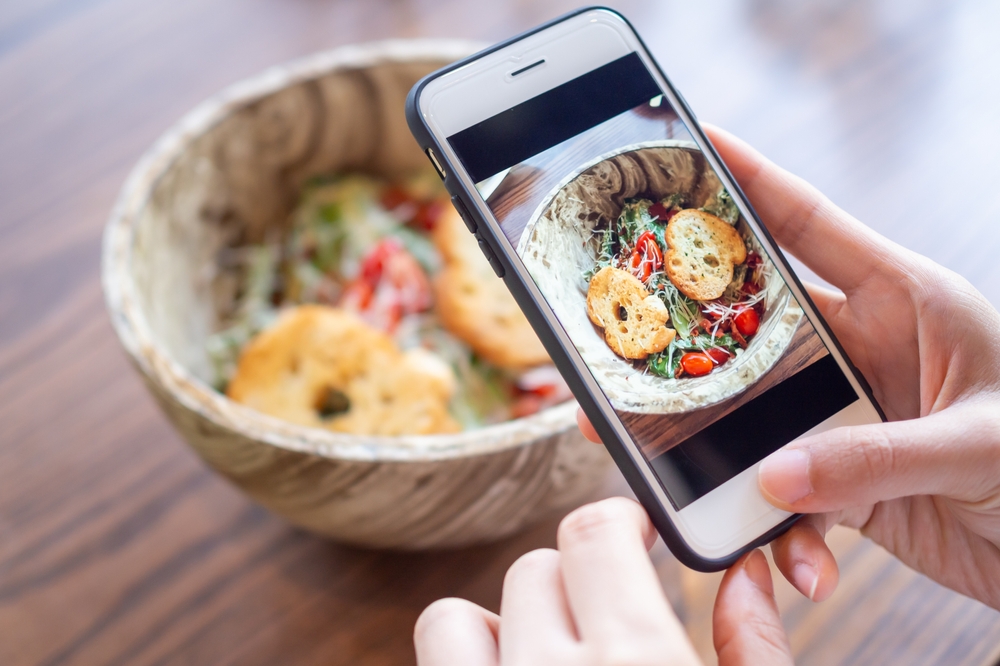
- Food Photography: High-quality photography is critical. Use natural light, clean backgrounds, and styled plating. Consider professional photographers to ensure consistency across digital platforms.
4. Online Listings & Local Search
- Google My Business (GMB): Keep hours updated, add photos of your space and food, and highlight features like outdoor seating, WiFi, or delivery options. Post updates and respond to reviews.
- Directory Listings: Claim listings on Yelp, TripAdvisor, and other directories. Consistent contact details improve search ranking.
- Reviews & Engagement: Thank positive reviewers, address negative ones with professionalism, and offer redemptions when necessary. Authentic responses improve credibility.
5. Reservation & Delivery Apps
Partnering with apps like OpenTable or Resy improves visibility. Optimize your listings with detailed descriptions and professional photos. On delivery platforms like Uber Eats or DoorDash, use advertising tools to secure prime placement. If you want to go further, start with our guide to marketing an online business, then read about our B2C marketing work.
6. Social Media & Engagement
- Profiles & Posting: Maintain active profiles on Instagram, TikTok, Facebook, and Twitter. Post consistently two to three times a week.
- Hashtags & Location Tags: Use location-specific hashtags (#BestPizzaInChicago) and unique branded hashtags (#TacoTuesdaysAtX) to boost visibility.
- Engagement & Content: Encourage interaction with polls, contests, caption games, and behind-the-scenes content. Sharing user-generated posts builds community trust.
7. Community & Word-of-Mouth
Restaurants thrive when they are woven into the local fabric.
- Staff as Advocates: Encourage staff to share their pride in the restaurant with friends, family, and social media.
- Local Partnerships: Collaborate with nearby businesses for cross-promotions—like offering discounts to each other’s customers.
- Community Engagement: Engage with local Facebook groups, community boards, and neighborhood events. Submit press releases to local outlets for free coverage.
8. Customer Loyalty & Direct Outreach
- Loyalty Programs: Offer points, discounts, or free items to incentivize repeat visits.
- Email Marketing: Send newsletters highlighting menu changes, events, promotions, or staff stories. Maintain a consistent cadence, whether weekly or monthly.
- SMS Marketing: Short, action-driven texts with clear CTAs deliver high engagement. Always require opt-in for compliance.
- WiFi Marketing: Offer free WiFi in exchange for emails, then use the list for targeted promotions.
9. Promotions & Events
- Coupons & Discounts: Offer specials strategically on slow days to boost foot traffic.
- Contests & Giveaways: Host caption contests, raffles, or social media challenges with restaurant-related prizes.
- Food Holidays: Capitalize on food-related days (like National Burger Day) with themed offers and hashtags.
- Events: Host themed nights, sports watch parties, or community gatherings. These events build loyalty and create memorable experiences.
- Signage: Clear, high-contrast signage inside and outside communicates promotions effectively and influences customer choices.
10. Advertising & Advanced Marketing
- Influencer Collaborations: Partner with authentic local influencers. Depending on your budget, provide free meals or pay promotional fees.
- Digital Advertising: Use targeted Google Ads and Facebook Ads to reach audiences by location, demographics, and interests.
- SEO Optimization: Focus on local search keywords like “best brunch near me” to attract high-intent customers.
- Blogging & Content: Share recipes, behind-the-scenes content, or staff features. This improves SEO and strengthens your narrative.
- Press & PR: Promote community involvement, awards, or milestones in local media to boost credibility.
- Web App Solutions: Offer mobile-friendly apps for online ordering, loyalty programs, and direct communication with customers. This reduces reliance on third-party platforms.
How To Market Your Restaurant: Conclusion
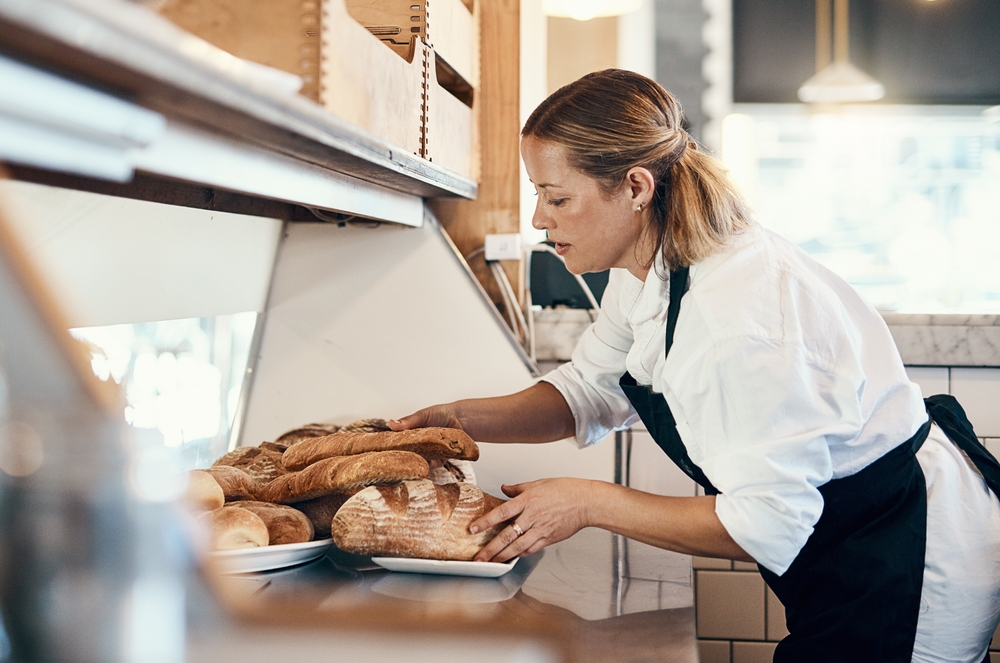
Knowing how to market your restaurant effectively is all about balance—blending timeless hospitality with modern tools. No campaign will succeed without a strong foundation of consistent food quality, attentive service, and a clear brand identity.
Once those fundamentals are in place, digital presence, community engagement, and advanced strategies like influencer partnerships or targeted ads can amplify your reach and keep customers coming back.
By treating marketing not as a one-off effort but as an ongoing commitment, you position your restaurant for sustainable growth.
Whether through loyal staff, a strong local presence, or creative promotions, the ultimate goal is the same: building meaningful connections with your guests.
When you deliver value both inside and outside your restaurant’s walls, you transform first-time visitors into lifelong advocates.


