

Podcast marketing has become an essential element of modern brand strategies due to the medium’s dramatic expansion and the highly engaged audience it attracts. For individuals wondering “how to market a podcast”, there are over 4.5 million active shows and 584 million listeners worldwide.
The strong consistency of engagement—evidenced by a rising percentage of binge listeners tuning in for more than five hours weekly and an increasing share of long-term listeners—translates into reliable reach and impact for brands. Consequently, global podcast advertising revenue has surged to $7.3 billion, prompting more brands to allocate dedicated portions of their digital ad budgets to this channel.
To effectively promote a podcast, marketers must adopt a deliberate, multi-channel approach. Strategies range from social media contests and listener-generated intros to QR code placements in high-footfall locations and structured referral programs that incentivize listeners to recruit new subscribers.
Leveraging social proof through on-air shoutouts, user-generated content showcases, and guest collaborations—both with niche creators and high-profile figures—amplifies reach and credibility. Additionally, optimizing episode titles for SEO, building an email list with gated bonus content, and repurposing episodes for platforms like YouTube ensure sustained visibility across digital touchpoints.
A holistic plan also balances online and offline tactics, such as partnering with local businesses for live events, cross-promotion via payment apps, and pitching to niche newsletters. Maintaining consistent calls to action, benchmarking performance with analytics tools, and adapting quarterly based on data-driven insights foster continuous growth.
Let’s dive a bit deeper into all these.

Why Podcast Marketing Matters Today

Podcast marketing has emerged as a cornerstone of modern brand strategy, leveraging the explosive growth of the medium to forge deep, lasting connections with audiences. As of the beginning of this year, there are 4.5 million podcasts. This staggering volume of content underscores both the opportunity and the challenge: with so many shows vying for attention, learning how to market a podcast should be a deliberate and intentional process.
However, the good news is that there are 584 million podcast listeners worldwide. For brands, this means that podcast marketing allows them to integrate into the listener’s experience organically—whether through host-read endorsements, branded shows, or ad insertions—ensuring that messaging feels less like an interruption and more like a trusted recommendation.
Globally, podcast advertising revenue has soared to $7.3 billion, with the U.S. market alone accounting for roughly $2 billion.
Brands are increasingly allocating portions of their digital ad budgets specifically to podcasts, attracted by the high engagement levels: “binge listeners” who tune in for more than five hours per week have risen from 35.4% to 38.7%, while long-term listeners (those with three or more years’ experience) now constitute 51.4% of the audience, up from 33.5%.
This consistency of listenership translates into predictable reach and impact, key metrics for any marketing campaign. Taken together, these insights make a compelling argument for launching and marketing a podcast. Here’s how to get started.
How to Promote a Podcast
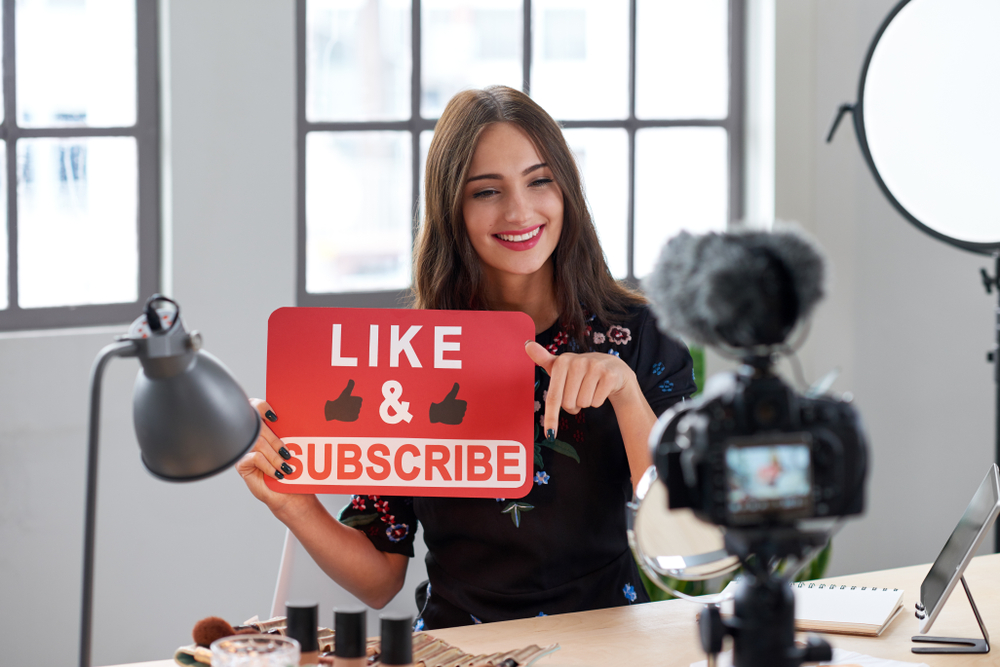
So, you want to know how to promote a podcast. We are assuming that you already have the basics down, such as your podcast’s niche, your target audience, and your brand identity. Now, you want to know how to market a podcast.
Here’s what to do:
1. Run Social Media Contests
Running periodic giveaways on platforms like Instagram and Facebook can drive rapid spikes in engagement and subscriber growth. Offer high-value, relevant prizes—such as branded merchandise, tech accessories (e.g., AirPods), or even exclusive, episode-themed bundles—to motivate followers to take action.
To enter, ask participants to follow your podcast account, subscribe to your feed, tag at least two friends in the comments, and share a screenshot of their favorite episode. Announce the winners via a live stream to maximize reach, build anticipation for future contests, and give non–winners a compelling reason to stay tuned for more opportunities.
2. Use Listener-Generated Intros
Empower your most devoted podcast audience members by inviting them to record your next episode’s intro in their own voice. Not only does this celebrate listener loyalty—voice-based recognition increases sharing behavior by up to 35%—but it also creates authentic, user-generated content you can repurpose on social media.
Provide simple guidelines (length, tone, tagline) and an easy submission process. Once recorded, pair each custom intro with a short social media reel tagging the contributing fan. Their network will feel personally invested and more likely to subscribe themselves.
3. Employ QR Code Marketing
QR codes are a seamless bridge between offline touchpoints and your podcast’s digital home. Design eye-catching codes that lead directly to your subscription page or a landing page offering a free bonus episode. Print them on bookmarks, flyers, stickers, coffee sleeves, and even coasters.
Distribute in high-footfall areas—cafés, bookstores, co-working spaces—with a brief “Scan to follow [Podcast Name]” call to action. Monitor scans with analytics-enabled QR services to determine which venues yield the highest conversion rates (industry averages hover around 15%).
4. Challenge Listeners to Refer Friends
Create a structured referral program by challenging each listener to bring in 2–3 new subscribers within a set timeframe (e.g., one month). Provide unique referral codes or tracking links and reward successful referrers with tiered incentives: a public shoutout in an episode, exclusive behind-the-scenes footage, or limited-edition merch.
Highlight top referrers on your website and social channels. Referral programs regularly deliver a 20–30% uplift in new sign-ups when rewards align with listener interests.
5. Give Shoutouts & Showcase Social Proof
Harness the power of social validation with consistent on-air and online shoutouts. Thank listeners by name for writing reviews, sharing episodes, or participating in polls. Incorporate short audio clips of fan messages into your episodes to demonstrate a vibrant community and encourage others to join in.
Display user-generated content—screenshots, artwork, testimonial quotes—across your social feeds and website. This visible proof of engagement reduces skepticism and entices new listeners to subscribe.
6. Offer Bonus & Exclusive Content
Boost email sign-ups and paid subscriptions by gating premium materials. Offer extended interviews, raw “behind-the-scenes” audio, downloadable PDF companions, or interactive worksheets as incentives.
For example, require an email opt-in to access a detailed episode “Cliff’s Notes” summary. Emails in the podcast space have a 20–25% open rate, which means gated content can increase your list by up to 15% each quarter. Deliver exclusive drops periodically to maintain subscriber interest and drive word-of-mouth.
7. Collaborate & Swap Guest Spots
Partner with niche podcasters and influencers for mutual guest appearances. Before recording, provide collaborators with a concise media kit that includes headshots, bios, social media banners, and sample copy to facilitate cross-promotion.
Treat each episode like a mini “press junket”: schedule social posts, stories, and email mentions around the release date. This professional approach yields broader coverage—show swaps can generate up to a 40% spike in downloads when executed with synchronized promotion.
8. Feature Guests with Large Followings
Maximize the outreach potential of high-profile guests by equipping them with ready-to-use promotional assets. Create an asset bundle including customized Instagram story slides, tweet copy, LinkedIn banners, and short video teasers.
Supply clear posting guidelines and suggested schedules. Case studies show that providing share kits can boost social shares by 50%, converting roughly 10–12% of that new traffic into subscribers when the guest’s audience aligns with your target demographic.
9. Build an Email List
Your email list is the backbone of long-term listener engagement. Gate valuable resources—episode worksheets, bonus guides, cheat sheets—behind a simple opt-in form on your website or at the end of each episode.
Send a weekly or bi-weekly newsletter featuring episode recaps, relevant links, upcoming guest teasers, and community highlights. Aim for a 20–25% open rate and a 3–5% click-through rate when your content remains focused on listener interests and consistently delivers value.
10. Optimize Episode Titles for SEO
Improve organic discoverability by researching and integrating target keywords into your episode titles and descriptions. Use tools like Google Keyword Planner or podcast-specific SEO platforms to identify 2–3 long-tail keywords per episode.
A best practice: structure titles so they’re both listener-friendly (“How to Build a Tiny House from Scratch”) and SEO-minded (“Tiny House Construction Tutorial | Step-by-Step Guide”). Shows that follow SEO guidelines see up to a 40% increase in organic downloads over six months.
11. Maintain a Consistent Call-to-Action
End each episode with a succinct and compelling action step: subscribe, rate and review, share on social media, or visit your website. Repeat this CTA in episode show notes, social captions, and email newsletters.
Experiment with phrasing (“If you loved this, please hit subscribe!” vs “Join our community of builders—rate us now!”) and track which wording drives the highest conversion rates. Over time, refine your messaging based on analytics to maximize listener response.
12. Research and Master Your Niche
Conduct regular competitive analyses of top shows within your genre. Note their monetization methods (ads, memberships, merch), audience engagement tactics (live events, polls, social challenges), and email or partnership strategies.
Use tools like Podtrac for download benchmarks. Identify 2–3 successful tactics you can adapt while maintaining your show’s unique voice. Continual benchmarking keeps you ahead of emerging trends and highlights areas for differentiation.
13. Host Interactive Quizzes & Trivia
Develop short, themed quizzes or branded bingo cards tied to episode content or inside jokes as part of your podcast marketing. Host these quizzes on your website or via social media story stickers to foster engagement.
Encourage listeners to share results with a custom hashtag—for instance, #TinyHouseTrivia. Use quiz participation as a criterion for referral challenges or contest entries. Interactive content not only boosts retention but can drive viral social sharing when executed cleverly.
14. Record Personalized Welcome Audio
Differentiate your show with a personalized thank-you voice clip sent to new email subscribers or Patreon supporters. Keep it brief (10–20 seconds), authentic, and aligned with your show’s tone. Include a mention of the subscriber’s first name if possible. This small gesture significantly increases listener loyalty: personalized experiences can reduce churn by up to 15% and inspire early advocates who will spread the word.
15. Cross-Promote via Payment Apps
Leverage everyday financial transactions by adding a podcast promo to your public payment app profiles. Set your Venmo or Cash App display name to “Listen to [Podcast Name]” and include a link in your payment note. Every transaction becomes a subtle ad seen by your contacts. For creators who transact frequently, this guerrilla tactic can generate dozens of impressions per day at zero additional cost.
16. Pitch to Niche Newsletters
Identify and compile a list of 10–20 email newsletters catering to your podcast’s themes. Craft a concise pitch: 2–3 sentences about who you are, why their audience will care, and a direct link to your podcast. Offer an exclusive insight or guest excerpt to incentivize inclusion. Aim for at least a 25% placement rate; even a single newsletter feature can drive several hundred targeted listens.
17. Create Podcast Merch for Superfans
Design small-batch merch items—stickers, enamel pins, bookmarks, or magnets—branded with your podcast’s logo or memorable quotes. As part of referral challenges or engagement campaigns, reward top fans with these items. Encourage unboxing or “show-off” posts on social media by providing a unique hashtag. User-generated merch photos serve as authentic testimonials and expose your brand to new audiences organically.
18. Partner with Local Businesses
Forge partnerships with independent cafés, bookstores, coworking spaces, or community centers. Offer to co-host a live listening party or Q&A event, providing free branded materials (flyers, table tents, posters) and a small prize for attendees. In exchange, ask partners to feature your promotional collateral and share event details with their patrons via email or social media. These grassroots activations often yield conversion rates above 10% among local audiences.
19. Repurpose Episodes for YouTube
Use automated tools like Repurpose.io to convert each podcast episode into a video format, pairing your audio with dynamic waveforms, guest headshots, or B-roll footage. Upload both full episodes and short highlight clips to YouTube, optimizing titles and descriptions for optimal search visibility. Even small channels (under 2K subscribers) can average 150+ daily views on niche content—at a 5–7% conversion rate, that’s incremental audio subscribers without extra recording effort.
20. Develop a Spin-Off Mini-Show
Create a daily or weekly mini-show of 10–15 minutes featuring top episode highlights, quick tips, or bite-sized stories. Host it on the same feed or a separate channel to attract listeners who prefer shorter formats. Use mini-show analytics (completion rates, engagement) to inform new segment development in your main show. Cross-promote: “Want more in-depth interviews? Check out the full episode!”
21. Launch a Themed Mini-Series
Periodically produce a limited-run series (3–6 episodes) centered around trending topics, seasonal themes, or special events. Market the series as an exclusive “event” with defined start and end dates to create a sense of urgency. Release a teaser trailer across all platforms two weeks prior, and drip promotional clips throughout the run. The finite nature of mini-series can generate a 25% lift in listens compared to regular episodes.
22. Form a First-Episode Club
Eliminate choice paralysis by curating a “First-Episode Club”: a playlist of your top 3–5 episodes that best introduce new listeners to your format and themes. Feature this list prominently on your website, in social bios, and at the top of your podcast feed description. Estimate a 15–20% improvement in first-listen retention when new subscribers start with purposefully chosen episodes rather than jumping into the latest release.
23. Run Paid Ads on Podcast Apps
Allocate a small monthly budget to test ad placements on platforms like Overcast, Podcast Republic, and Podcast Addict. Rotate ads between shows and demographics to avoid fatigue, and run each test for at least two weeks. Track cost per subscriber and downstream engagement metrics (listening duration, review rate) to identify the highest-ROI channel, then scale accordingly.
Continual Performance Review
Implement a monthly reporting cadence to evaluate key performance indicators: cost-per-subscriber by channel, download spikes tied to guest appearances or contests, email list growth, and CTA conversion rates. Use spreadsheet dashboards or analytics tools (e.g., Chartable, Podtrac) to visualize trends. Adjust your strategy quarterly—doubling down on tactics that outperform benchmarks and sunsetting underperformers—to ensure sustainable, data-driven growth. For the wider picture, see our guide to how to get press coverage. To see how we handle this for clients, read about Peter’s media and podcast appearances.
How to market a podcast: Conclusion

Growing and sustaining a successful podcast audience requires a holistic, multi-channel approach and a solid understanding of how to market a podcast. From high-impact strategies like social media contests, listener-generated intros, and referral challenges to foundational tactics such as email list building, SEO-optimized episodes, and consistent calls to action, each element plays a crucial role in your overall marketing ecosystem.
Combining offline methods (QR code marketing, local partnerships) with digital amplification (guest swaps, paid ads, YouTube repurposing) ensures you reach listeners wherever they are. Structuring these activities into a focused 90-day plan brings clarity to your efforts, setting measurable milestones and enabling data-driven adjustments.
Ultimately, success lies in continuous engagement: honoring your community through shoutouts and exclusive content, leveraging social proof, and refining your tactics based on performance reviews. With this comprehensive playbook and an adaptable mindset, you’re equipped to not only attract new listeners but also foster lasting relationships, turning casual fans into passionate advocates for your show.
FAQs
Q: How often should I run social media contests?
A: Aim for one major contest every 6–8 weeks to maintain excitement without oversaturating your audience.
Q: What’s the best way to collect and manage listener-generated intros?
A: Use a simple submission form (Google Forms or Typeform) linked in show notes and social posts. Store submissions in a shared folder (Dropbox or Google Drive) and batch–process selections.
Q: How can I track the effectiveness of QR code placements?
A: Use dynamic QR codes from services like QR Code Generator Pro or Uniqode, which provide per-location scan analytics and time-based scan data.
Q: What is a realistic referral conversion rate?
A: While industry averages hover around 20–30% uplift, aim for a conservative 10% conversion initially and refine incentives based on performance.
Q: How do I ensure paid ads on podcast apps remain cost-effective?
A: Start with small budgets (e.g., $100 per app), run A/B tests on copy and targeting, and pause campaigns that exceed your target cost-per-subscriber threshold.
Q: When is the ideal time to introduce exclusive bonus content?
A: After you’ve established a baseline audience (50–100 regular downloads per episode), introduce gated content to convert engaged listeners into subscribers or email leads.
Q: How can I repurpose podcast content for platforms like TikTok or Instagram Reels?
A: Identify 30–60 second soundbites or compelling quotes, add captions and simple visuals with tools like Headliner or Descript, and post natively with relevant hashtags.
Q: What tools can help me automate performance reporting?
A: Platforms like Podtrac and Looker Studio (with podcast analytics connectors) can automate KPI dashboards, alerting you to key trends in real time.
Q: How do I choose the right guests for collaboration?
A: Evaluate potential guests based on audience overlap (using social listening tools), engagement rates, and their willingness to actively promote the episode to their community.
Q: What’s the best way to solicit listener feedback beyond reviews and ratings?
A: Deploy periodic listener surveys via email or social polls, offer small incentives (e.g., exclusive content access) for survey completion, and share key findings transparently with your audience.


