

Advertising for financial services can be pivotal in connecting these companies with potential clients. Whether it’s promoting new investment opportunities, insurance plans, or wealth management services, how financial institutions communicate can directly impact their reputation and bottom line.
Unlike many other sectors—where advertising often focuses on creative storytelling only—advertising in financial services requires a careful balance between being informative, transparent, and engaging. The stakes are much higher, and the audience is more critical, which makes clear, effective advertising essential for growth.
At the heart of successful advertising in this field are two key elements: trust and compliance. Financial services are built on trust—clients need to feel confident that their money is in safe hands. Any misstep in communication, whether intentional or not, can damage that trust and lead to a loss of clients. This is where compliance comes in.
With a web of regulations governing how financial products are marketed, companies must ensure their advertisements meet legal standards, or they could face penalties, reputational damage, or both. Maintaining compliance helps show potential clients that the company is reliable, ethical, and respects the guidelines set forth by regulators. Failing to do so can lead to legal consequences and erode the trust of your clients.
The goal of this blog is to help financial service professionals like yourself navigate these complexities. We will explore the best practices for creating advertising strategies that not only comply with regulations but also build lasting trust with clients.
You’ll discover how to craft messages that are both compelling and compliant, ensuring that your advertising efforts align with industry standards while effectively engaging your audience. By the end, you’ll have a clearer understanding of how to approach financial advertising in a way that fosters trust, enhances client relationships, and supports business growth.
Advertising Channels and the Challenges of Financial Advertising

When it comes to promoting your business in the financial services sector, choosing the right advertising channels can make or break your marketing strategy. Financial advertising connects the right audience to your product. Therefore, a solid understanding of both traditional and digital platforms and the challenges that come with advertising in such a highly regulated industry is required.
Advertising Channels for Financial Services
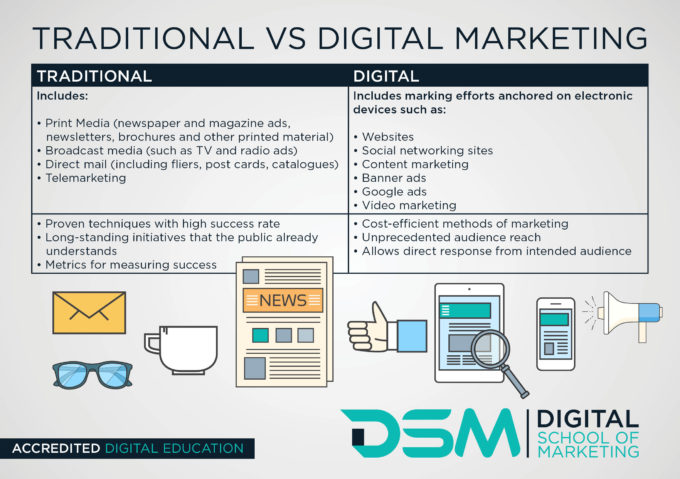
Traditional vs. Digital Advertising
While traditional advertising channels like TV, print, and radio still hold some value in financial services, they often come with high costs and limited targeting capabilities. TV ads, for example, might reach a broad audience, but they’re not always the most efficient when you need to focus on a specific demographic, like wealthy individuals or business clients. Print ads, too, can be costly and harder to track in terms of ROI. While these methods can build general awareness, they don’t always offer the precision that digital platforms provide.
On the other hand, digital advertising is rapidly becoming the go-to choice for many financial institutions. With platforms like Google Ads, social media, and email marketing, you can target your ads more precisely, reaching potential clients who are actively searching for your services. Digital platforms also offer better tracking tools, allowing you to measure the success of your campaigns in real-time and adjust them as needed to improve performance.
Here’s a list of six digital marketing tools that can help you manage and optimize your campaigns:
- Google Analytics – This is used to track website traffic, user behavior, and campaign performance.
- HubSpot – A comprehensive marketing platform that offers tools for email marketing, social media, SEO, and lead management.
- Ahrefs – For keyword research, SEO optimization, competitor analysis, and tracking search engine rankings.
- Hootsuite – A social media management tool that helps you schedule and monitor posts across multiple platforms.
- Mailchimp – A popular email marketing tool for building campaigns, automating emails, and analyzing email performance.
- Canva – A user-friendly design tool to create visually appealing graphics for social media, email campaigns, and ads.
Targeting the Right Audience
One of the greatest advantages of digital advertising is the ability to target high-value clients. Tools like customer segmentation and data analysis can help you focus your efforts on individuals or businesses that are most likely to engage with your services. By personalizing your ads, you can cater to the specific needs of different client segments, whether it’s retirement planning for individuals or wealth management for businesses.
Targeted ads on Google and social media work by using data to show specific ads to users who are most likely to be interested in your business. Google Ads relies on factors like search keywords, location, and user behavior, while platforms like Facebook and Instagram use detailed demographic, interest-based, and behavioral targeting to reach the right audience.
Both platforms offer tools like retargeting, which allows you to show ads to users who have already interacted with your business, helping keep your brand in mind. This precise targeting ensures that your ads are more relevant, increasing engagement and driving better results for your business.
The Rise of Programmatic Advertising
Programmatic advertising is a game-changer for advertising for financial services. Using AI and machine learning, programmatic platforms allow you to optimize your ad spending by targeting the right people at the right time across multiple channels. This technology helps you stretch your advertising budget further while improving the effectiveness of your campaigns.
Financial ads must follow strict regulations to ensure they are clear, accurate, and not misleading. Since programmatic ads are automatically placed across many websites and platforms, it can be difficult to control where the ads appear or ensure that they meet all legal requirements in different regions.
A company could face fines or legal trouble if ads are shown in the wrong context or don’t include the required disclaimers. It’s essential to work with partners who understand the unique requirements of financial advertising to avoid costly mistakes.
The Challenges of Advertising in the Financial Services Industry
Regulatory Landscape
Financial advertising operates in a highly regulated environment. Compliance with regulations like the SEC, FINRA, and GDPR isn’t just a box to tick—it’s a necessity. These guidelines are in place to protect consumers from misleading claims and ensure transparency. Navigating these regulations can be tricky, especially when you’re trying to create compelling ads that don’t cross any lines. Your business needs to stay informed and work closely with compliance teams to ensure that every ad meets legal standards while still delivering your message effectively.
The SEC is a U.S. government agency that regulates the securities industry, including stocks, bonds, and financial markets. Its goal is to protect investors by ensuring companies provide accurate and transparent information in their financial advertising and disclosures. Any misleading claims or lack of proper disclosures in ads can result in fines and penalties from the SEC.

FINRA is a self-regulatory organization in the U.S. that oversees brokerage firms and individual brokers. It ensures that advertisements for investment products and services are fair, clear, and not misleading. FINRA sets guidelines on what must be included in financial advertising to protect consumers and maintain market integrity.
GDPR is a European Union regulation that governs how businesses handle personal data. It applies to companies globally if they target or collect data from EU residents. In advertising, GDPR requires companies to obtain user consent before collecting data for ad targeting, and they must protect user privacy. Non-compliance can lead to significant fines.
Building Credibility in a Distrustful Market
Financial services have faced a lot of public scrutiny, especially following economic downturns and scandals. Events like the 2008 financial crisis, where banks misled investors about risky loans, and the Libor scandal, where major banks manipulated interest rates to their advantage, have seriously damaged trust in the financial industry.
Scandals like Wells Fargo’s fake accounts and Bernie Madoff’s Ponzi scheme also exposed fraudulent practices that further hurt the industry’s reputation. Because of these events, people have become more cautious, making it even more important for financial institutions to be transparent and build trust in their advertising and communications.
This has led to a general skepticism surrounding financial ads. For your business, building credibility is key. This means being transparent in your messaging and offering clear, honest information that resonates with your audience. Establishing trust is an ongoing process, and your ads need to reflect the integrity of your brand at every touchpoint.
Complexity of Financial Products
Finally, there’s the challenge of explaining complex financial products and services in a way that’s easy for your audience to understand without being misleading. Financial advertising must simplify intricate concepts like investment strategies, insurance plans, or tax services while still providing enough detail to build confidence. Striking this balance requires careful planning and clear communication.
By understanding these challenges and leveraging the right advertising channels, your business can create a strategy that not only complies with regulations but also builds trust with your audience and drives meaningful results.
Navigating Compliance in Financial Services Advertising With Strategic Pete

When it comes to financial services advertising, navigating compliance is one of the most critical elements for ensuring your ads are effective and safe. Every country has its own set of rules and regulations that govern how financial services can be promoted, from disclosure requirements in the United States to GDPR in the EU. Understanding these requirements is essential for any company that wants to run successful advertising for financial services without risking legal trouble.
Understanding Key Regulations
Compliance in financial advertising isn’t optional—it’s a necessity. Markets like the U.S., U.K., and E.U. all have distinct guidelines. For example, the SEC and FINRA in the United States require clear disclosures in advertising, ensuring that consumers are not misled about financial products. In the U.K., the Financial Conduct Authority (FCA) imposes similar rules. At the same time, in the E.U., GDPR regulations add another layer of complexity, particularly around how customer data is used in advertising.
To ensure compliance, it’s critical to understand the rules governing advertising for financial services in the region where your business operates. Common guidelines include providing clear disclosures, avoiding misleading claims, and being transparent about risks. As some high-profile cases have shown, failing to adhere to these rules can lead to hefty fines. For instance, firms fined for non-compliance often lose both money and credibility, which can be much more damaging in the long run.
For example, in May 2024, CitiBank was fined £78 million ($97 million) by British regulators for a series of control errors. Due to deficiencies in their trading controls, CitiBank did not comply with the Financial Conduct Authority (FCA). A major incident in May 2022 occurred when a trader accidentally executed $1.4 billion worth of trades on European stock markets due to a “fat finger” error (inputting the wrong order).
The issue was linked to weaknesses in Citi’s trading controls, like the absence of strong safeguards to prevent such errors. The lesson learned is the critical importance of having robust, well-calibrated trading controls to prevent costly errors and ensure compliance with regulatory standards, protecting both the market and the firm’s reputation.
Creating Compliant Ad Content
Creating compliant financial services advertising doesn’t have to mean dull or boring ads. A step-by-step approach to compliance can actually help you craft content that is both engaging and legally sound. Start by ensuring your ad copy includes all necessary disclosures, such as terms and conditions or risk disclaimers, prominently displayed and easy to understand.
For the best financial services ads, it’s about finding a balance between creativity and regulation. You want your ads to grab attention while ensuring every claim is backed by facts. Disclosures should be clear but not overpower the ad’s message. For instance, include a brief disclaimer on the risks associated with an investment, but ensure it doesn’t disrupt the flow of your core message.
When creating a brief disclaimer about investment risks, it’s important to clearly communicate that all investments carry some level of risk, including the possibility of losing the original capital. A simple example might be:
“Investing involves risk, including the potential loss of principal. Past performance is not indicative of future results. Be sure to review all investment objectives, risks, fees, and expenses before investing.“
This ensures transparency while also complying with regulatory expectations for clear and honest communication with potential investors.
Creating compliant ad copy involves more than just crafting a compelling message. It’s about making sure that the content meets all regulatory standards while being clear, transparent, and accurate. Here’s a simple guide to help you navigate the process:
- Understand the Regulations: Start by familiarizing yourself with the advertising rules specific to your industry and region. For financial services, ensure compliance with regulations from bodies like the SEC, FCA, or GDPR, which often require clear disclosures and disclaimers.
- Identify Required Disclosures: Depending on your industry, you may need to include specific disclosures such as risks, fees, or terms. Gather this information and make sure it is highlighted in a way that’s easy to read and understand.
- Write Clear and Honest Copy: Your ad should communicate the benefits of your product or service, but avoid any language that could be misleading or exaggerated. Use straightforward language and avoid making promises that cannot be backed up with facts.
- Incorporate Disclaimers: Disclaimers are essential for protecting your business and complying with legal standards. For example, financial ads should include a disclaimer about potential risks involved in investments. Place the disclaimer in a prominent position and use easy-to-read fonts so it doesn’t get lost in the fine print.
- Review With Legal Teams: Collaborating with legal experts ensures that the ad copy meets all necessary compliance requirements. Early involvement of legal teams can prevent mistakes and save time by catching potential issues before the ad goes live.
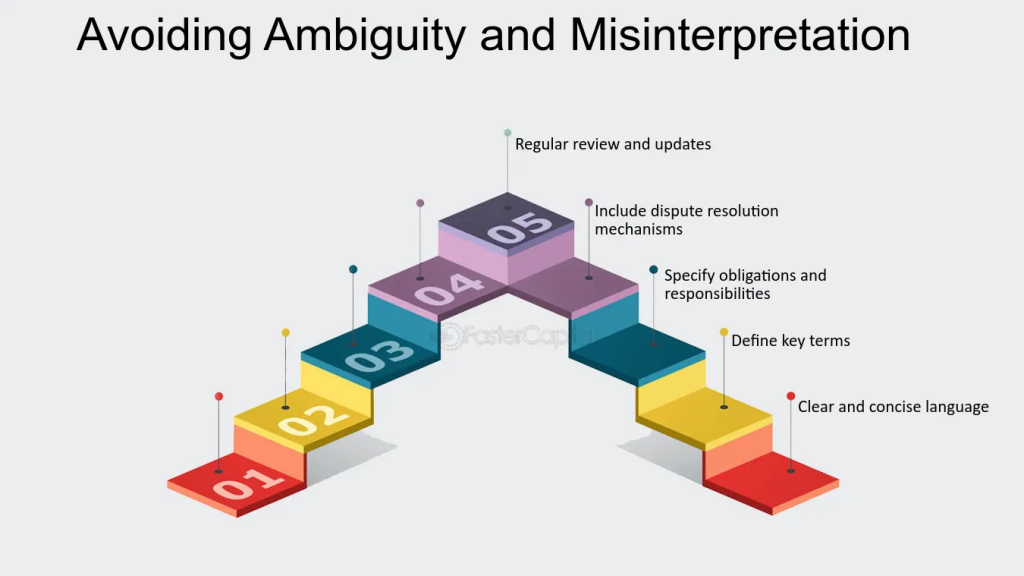
Balancing Compliance and Creativity
Balancing compliance and creativity is essential for creating engaging ads while meeting legal standards. It’s possible to craft ads that are both compelling and compliant by keeping a few things in mind:
- Start With Compliance in Mind: Rather than writing your ad and then trying to retrofit compliance requirements, consider the legal guidelines from the outset. This will help you create an ad that is engaging without needing significant edits for compliance later.
- Use Clear and Honest Messaging: Creativity doesn’t need to involve over-the-top claims or flashy promises. Focus on clear, straightforward messaging that still speaks to your audience’s needs. Engage through storytelling, visuals, and emotional appeal while maintaining transparency.
- Focus on Value, Not Promises: Instead of making exaggerated promises, highlight the true value of your product or service. Providing valuable, honest information builds trust with your audience and reduces the risk of non-compliance.
Best Practices for Legal Notices
When crafting financial advertising, it’s essential to understand how to properly include legal notices. When working with legal and compliance teams on ad campaigns, it’s essential to involve them early in the process. This helps prevent delays and significant revisions later on. Make sure you clearly explain the campaign’s goals and the target audience, allowing legal teams to offer relevant advice.
Regular communication is key, especially if there are changes in the campaign or new regulations. By collaborating closely, you can strike a balance between creating engaging content and meeting all compliance requirements, ensuring the ad is both effective and legally sound.
Types of Advertising for Financial Services
Choosing the right type of advertising is key to success in the financial sector. Traditional media like TV and radio still have their place, but digital platforms offer more precision. However, all types of advertising for financial services must still comply with regulations, no matter the platform.
Additionally, programmatic advertising, driven by AI and machine learning, also requires a heightened focus on compliance and transparency, as algorithms may inadvertently breach regulatory guidelines without careful oversight.
For example, the Department of Justice (DOJ) recently updated its guidelines on corporate compliance programs to address the growing use of artificial intelligence (AI) by companies. This revised framework helps federal prosecutors assess how well organizations are managing their AI systems. The directive, initiated by Deputy Attorney General Lisa Monaco in early 2024, calls for stricter accountability and penalties for companies using generative AI irresponsibly. The DOJ’s guidance is part of a larger initiative to ensure that AI systems are ethical, effective, and continuously monitored to mitigate potential risks and harm.
Why Trust Is Essential When Advertising for Financial Services

When advertising for financial services, trust is the cornerstone that can make or break the success of your campaigns. Financial decisions often involve high stakes—people are entrusting you with their wealth, investments, and future. Without trust, even the most eye-catching ads will fall flat, as potential clients are likely to turn away if they don’t believe in the credibility of the company behind the message.
Clients are looking for reassurance that their money will be handled with care, that the advice they receive is sound, and that the promises made are genuine.
- Transparency in messaging is crucial for building trust with customers. In ad campaigns, it’s essential to clearly outline product features, real fees, and ensure there are no hidden costs. This approach creates an honest relationship with your audience.
Ads should be straightforward, and promises must align with the actual product or service to avoid misleading claims. When customers feel misled, it damages trust and reputation, so ensuring that ads match reality is a must for maintaining credibility.
- Leveraging customer testimonials and reviews is another effective way to foster trust. These testimonials should comply with advertising regulations and reflect real customer experiences.
By showcasing case studies and real-life stories, companies can provide social proof that their product or service delivers on its promises. Authentic reviews resonate more with potential customers, helping to establish a sense of reliability and honesty, which are key components in a successful marketing strategy.

- Establishing authority and expertise further strengthens trust in advertising. Companies can do this by producing educational content or sharing thought leadership through blogs, webinars, and other media. Certifications, awards, and partnerships can also enhance credibility, demonstrating that the company has been recognized for excellence. By showcasing these credentials, businesses reassure their audience of their professionalism and reliability.
When clients see that your business is recognized by respected organizations or that you’ve earned industry certifications, they’ll feel more confident about choosing your services. Financial services advertising can benefit significantly from displaying these credentials prominently in ad copy or landing pages.
Measuring Success and ROI in Financial Services Advertising
Building trust is important, but how do you know if your financial services advertising is actually working? Measuring success and ROI is essential, especially in an industry with long sales cycles like financial services.
To track the effectiveness of advertising, businesses need to monitor key metrics like cost-per-lead (CPL), client acquisition cost (CAC), and lifetime value (LTV). These metrics help gauge the efficiency of ad spend and the long-term value of customers. However, in financial services, long sales cycles can make tracking leads challenging, requiring consistent follow-ups and detailed reporting.
Attribution models help businesses understand which advertising channels contribute most to conversions, especially in multi-touchpoint campaigns. Tools like Google Analytics, CRM systems, and specialized software allow companies to track leads and conversions, ensuring they can see how each channel impacts ROI.
To optimize ad spend, it’s essential to continually review ad performance and adjust strategies without compromising compliance or trust. By monitoring campaign results, testing different approaches, and maintaining transparency, businesses can improve their advertising efficiency while staying within regulatory boundaries.
The entire process of financial advertising—from tracking effectiveness and using attribution models to optimizing ad spending while staying compliant—can be incredibly intense and complex. It involves understanding the metrics, navigating strict regulations, maintaining trust, and continually refining strategies.
For most businesses, handling this alone is overwhelming, which is why many companies turn to expert marketers like Strategic Pete. Professionals bring the expertise needed to manage the entire process, allowing businesses to focus on growth while ensuring their advertising remains effective and compliant. For where the sector is heading, see five financial planning trends CEOs should watch.


